





















Indian Style Is Having Its Global Moment — And It Was Always Deserved

There is a particular feeling that comes when you see something you have always loved suddenly recognized by the rest of the world. A mix of pride, vindication, and something close to relief. Like the world finally caught up to something you always knew.
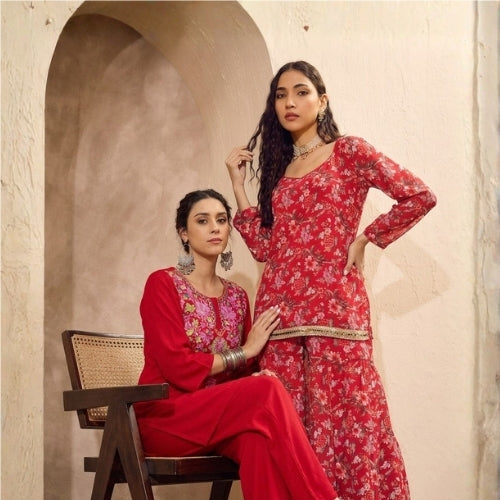
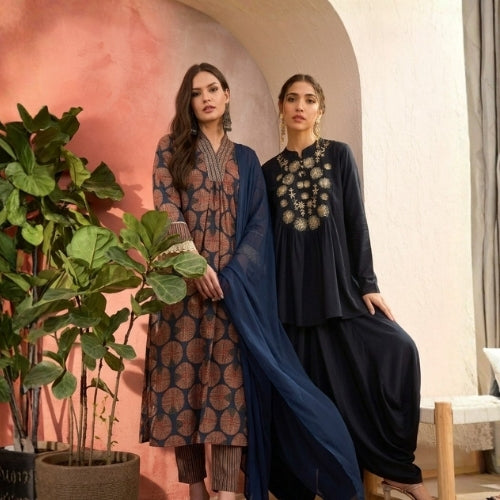
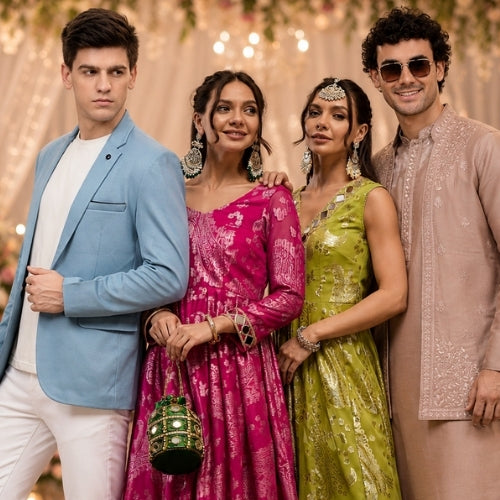
That is the feeling much of the South Asian fashion community has been sitting with over the past year. Because Indian style — its craft, its silhouettes, its textiles, its visual language — is not just being appreciated globally right now. It is being worn on the most visible stages in the world. And it is being borrowed by some of the biggest names in fashion, which raises its own important questions.
The Moments That Changed the Conversation
In 2025, Diljit Dosanjh walked into the Met Gala in a custom Prabal Gurung creation and quietly rewrote what was possible at fashion's biggest night. His sherwani-inspired look featured a dramatic cape embroidered with a map of Punjab in Gurmukhi script, and his jewellery paid direct homage to the legendary Patiala necklace of Maharaja Bhupinder Singh. He became the first Indian turban-wearing man to attend the event — and one of the most talked-about guests of the evening.
This was not a novelty. It was a statement. Diljit did not arrive in a Western tuxedo with a nod to his heritage. He arrived entirely, unapologetically himself — and the fashion world responded with admiration.
At the same Met Gala, Shah Rukh Khan made his debut in an all-black Sabyasachi creation — a floor-length Tasmanian wool coat with a pleated satin kamarbandh — understated, precise, and unmistakably rooted. Two men, two very different interpretations of Indian style, both entirely at home on the world's most scrutinised red carpet.
At Cannes 2025, Alia Bhatt closed the festival in the first-ever Gucci saree — a Swarovski-crystal-studded design that blended Indian heritage with global luxury fashion. The image became one of the most viral fashion moments of the year. Not because it was Indian. Because it was extraordinary.
These were not isolated moments. They were signals of a shift that has been building for years.
When the World's Biggest Brands Come to Indian Craft
Here is where the story becomes more complex — and more important.
Global fashion houses have not just been celebrating Indian style from afar. They have been drawing from it, some more transparently than others.
When Prada sent sandals with distinctive toe rings and intricate hand-stitching down its Milan menswear runway, observers were quick to draw comparisons to Kolhapuri chappals — traditional hand-crafted Indian footwear with roots stretching back to the 12th century. There was no explicit acknowledgement. The fashion press covered the sandals as a Prada innovation. Meanwhile, the Kolhapuri artisans who have been making this footwear for generations continued their work, largely unrecognised by the same global conversation.
Louis Vuitton's Spring/Summer 2026 menswear show leaned into Indian references extensively — a Snakes & Ladders runway (a game invented in ancient India as Moksha Patam, a tool for teaching moral lessons), an A.R. Rahman soundtrack, silhouettes and surface treatments with clear South Asian influences. The show was widely praised for its energy and references.
Dior's collaboration with the Mumbai atelier Chanakya International was handled differently — with transparency, credit, and genuine partnership. Hundreds of Indian craftswomen contributed their embroidery skills to Dior's haute couture collections. Vogue India's fashion director described it as a genuine thank you to India. It is the model of how this exchange should work.
The difference between these examples matters. Borrowing without credit erases the origin of a craft. Partnership and attribution celebrate it.
The Deeper History Behind the Borrowed Aesthetics
The paisley motif on cashmere scarves and designer prints worldwide has its roots in the buta pattern of Kashmiri shawls — a motif that travelled to Europe via trade routes and was adopted so thoroughly by the West that its Indian origins became obscured.
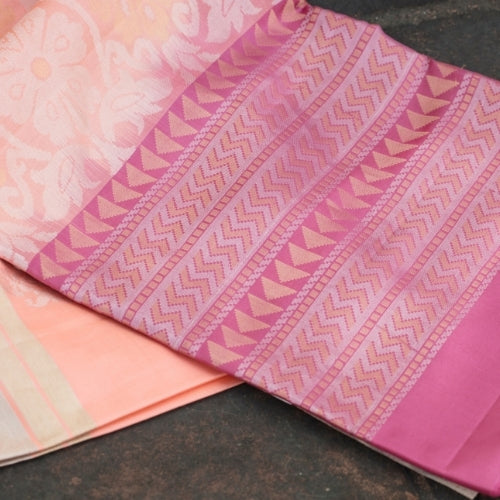
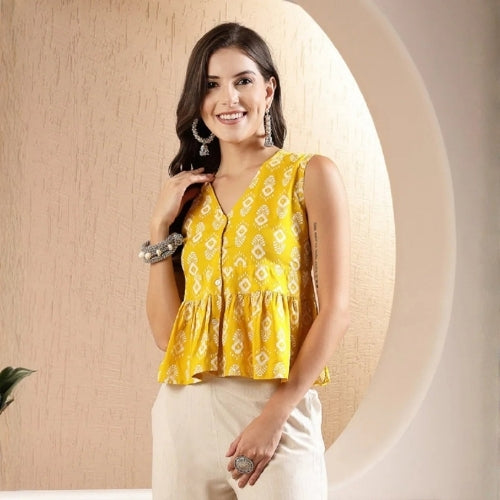
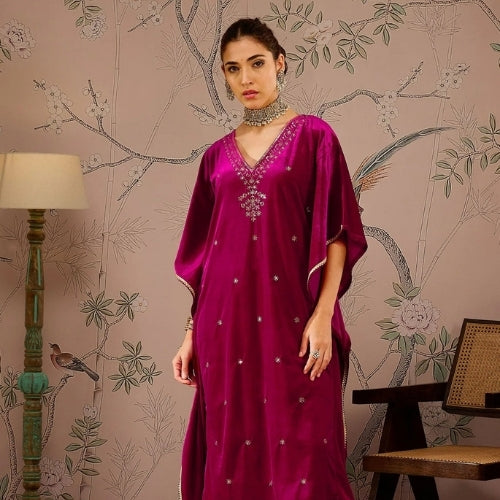
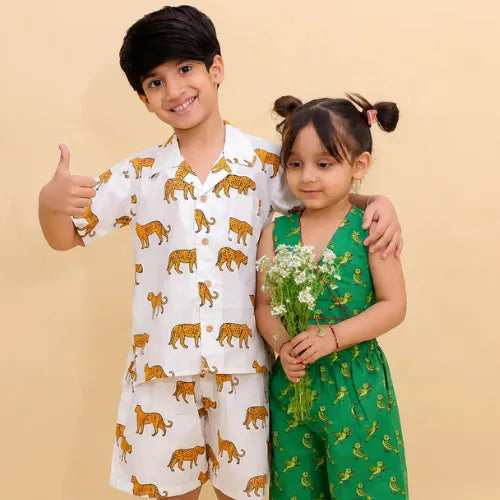
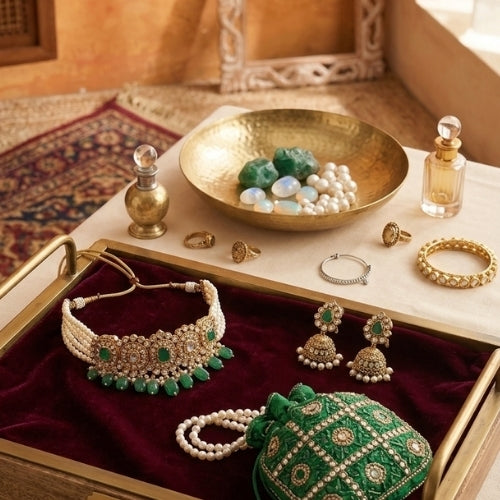
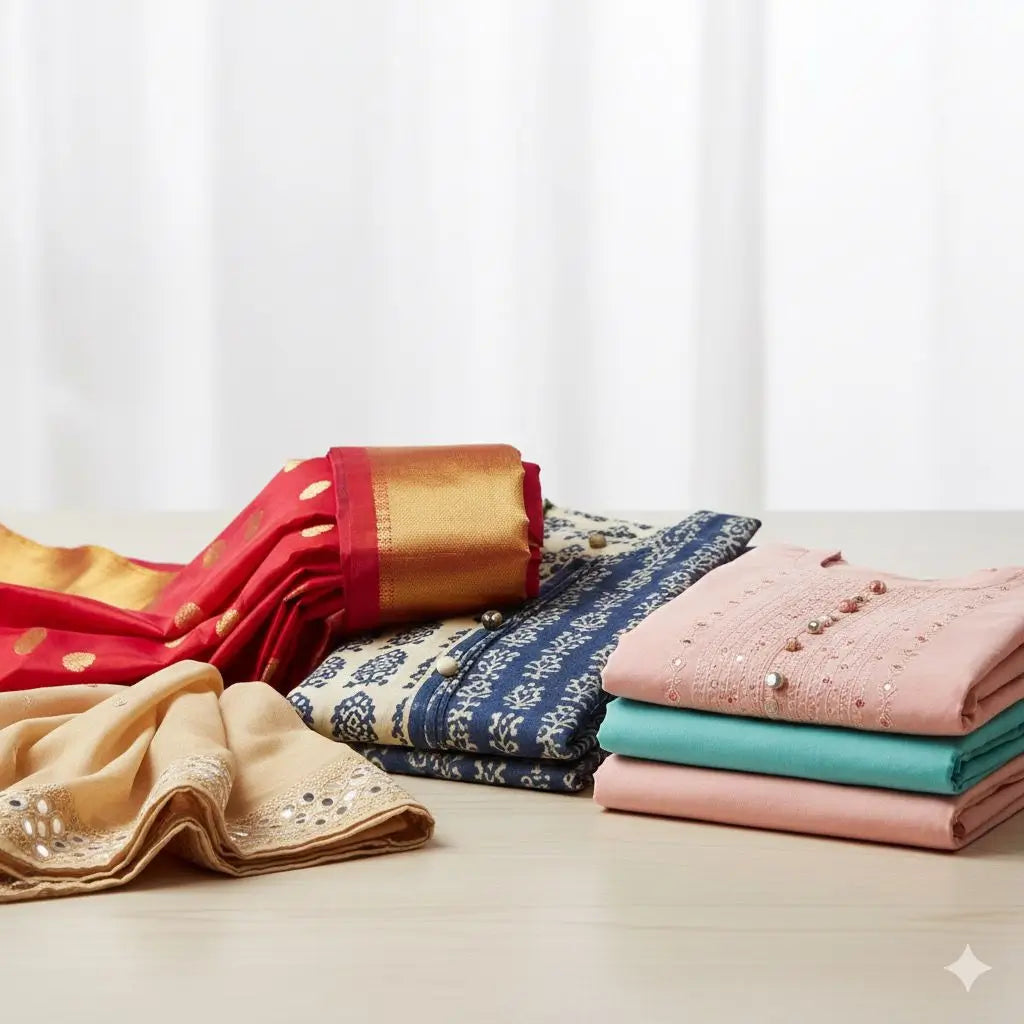
The block print patterns on summer dresses in every high street store trace back to the hand-carved wooden blocks of Rajasthan and Gujarat, traditions centuries old. The mirror work on festival collections nods to the shisha embroidery of Kutch. The wrap silhouettes in Western ready-to-wear echo the angrakha. The indigo dyeing techniques being celebrated as artisanal and premium by contemporary brands have been practised by Indian craftspeople since antiquity.
This is not a grievance. It is context. And the context matters because it reframes the way we should think about Indian clothing — not as ethnic wear that occasionally crosses over into mainstream fashion, but as a foundational influence on what mainstream fashion has always been.
What This Means for How You Dress
If the world's most powerful fashion houses are drawing from Indian craft traditions — sometimes consciously, sometimes not — it is worth asking why so many of us have spent years second-guessing whether it is appropriate to wear those same traditions in everyday life.
The answer, increasingly, is: it always was.
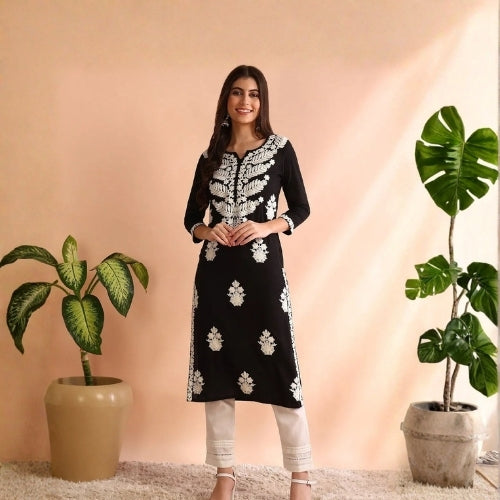
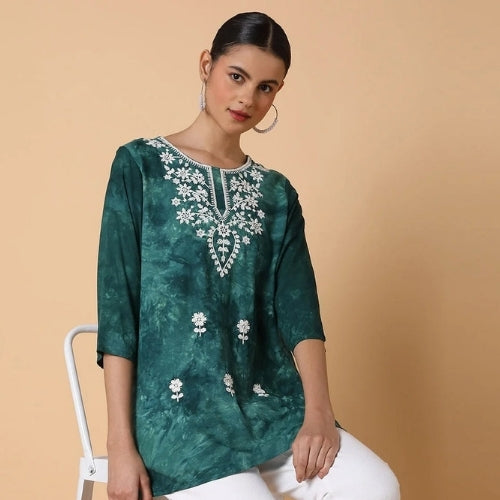
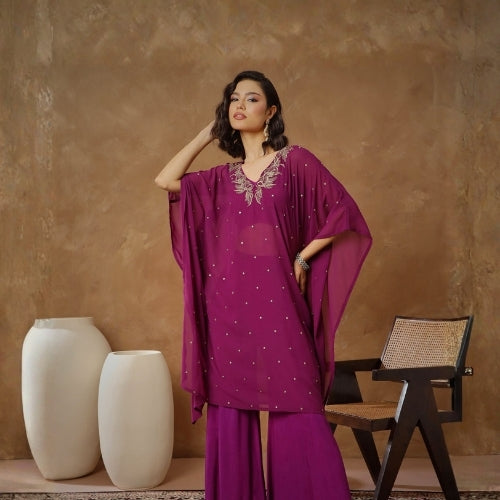
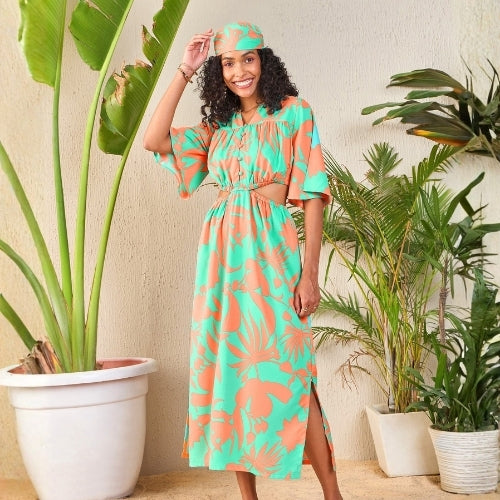
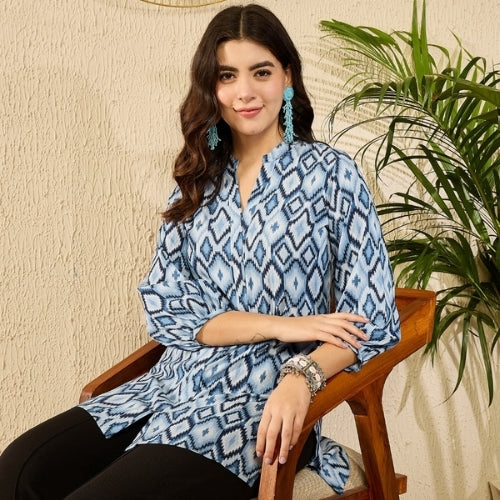
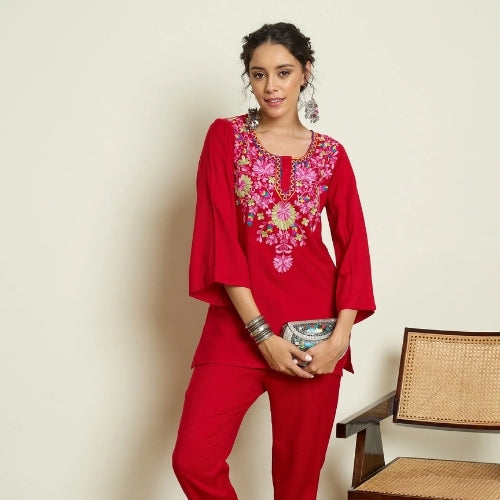
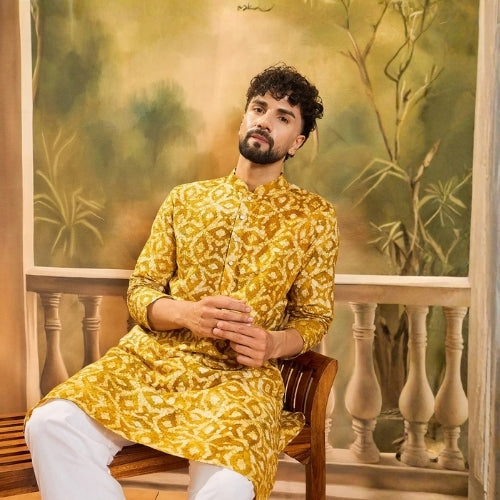
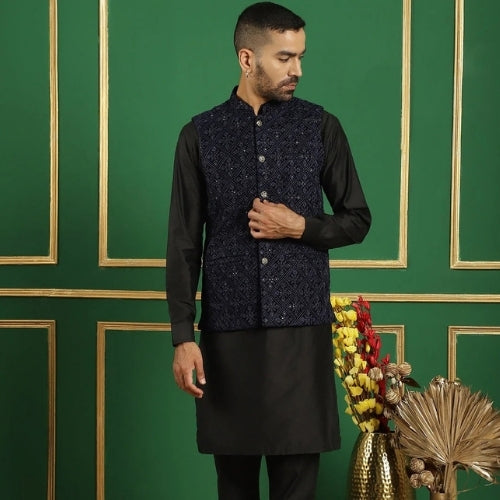
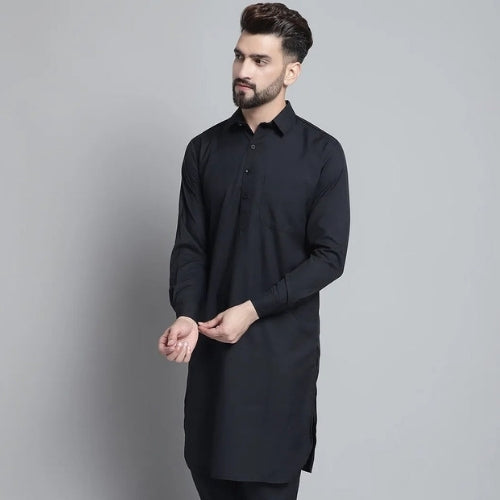
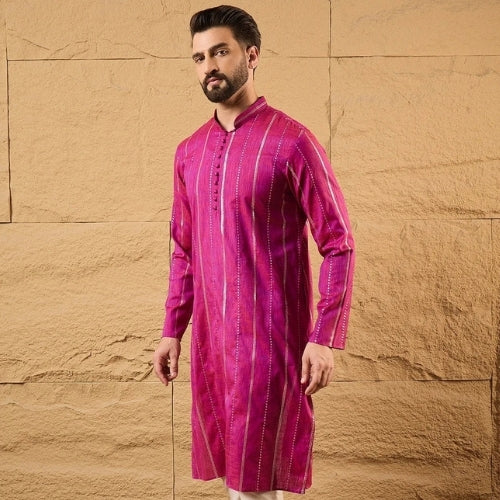
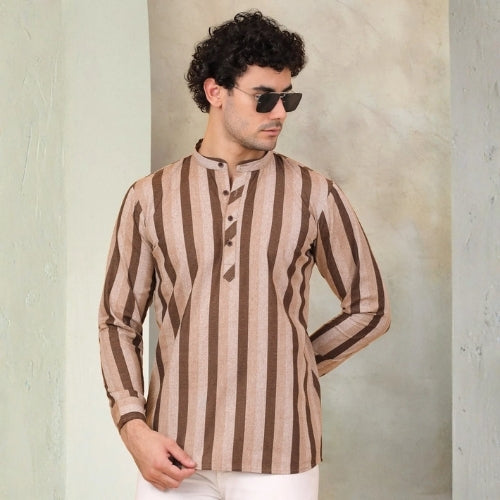
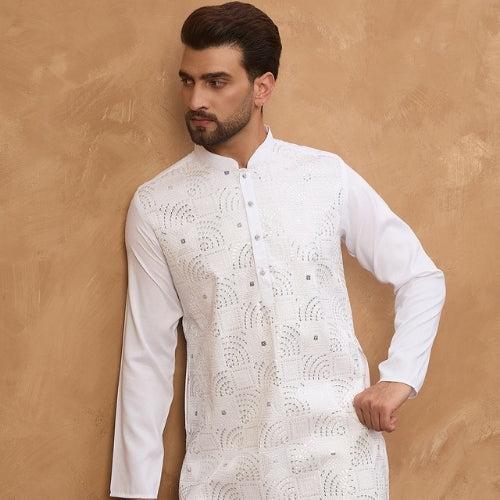
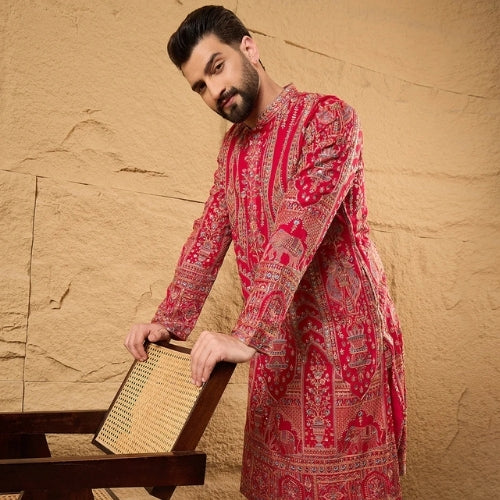
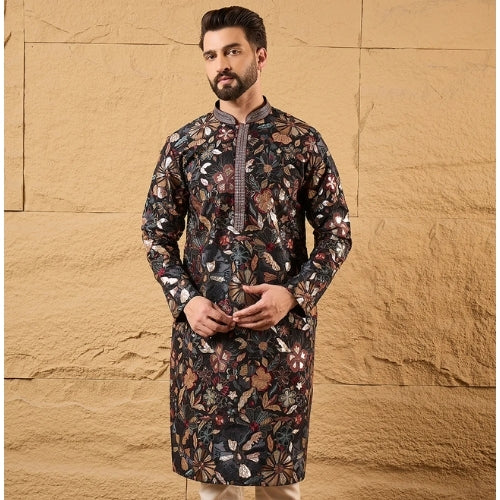
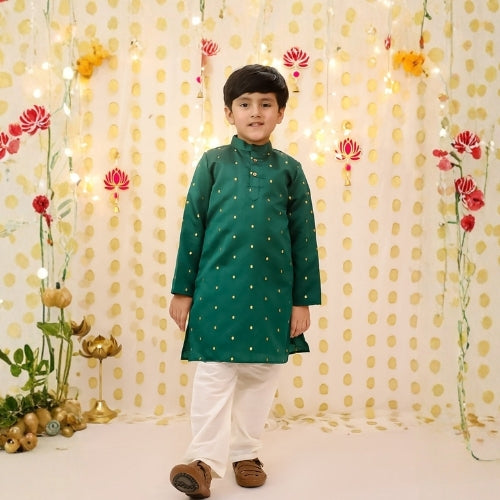
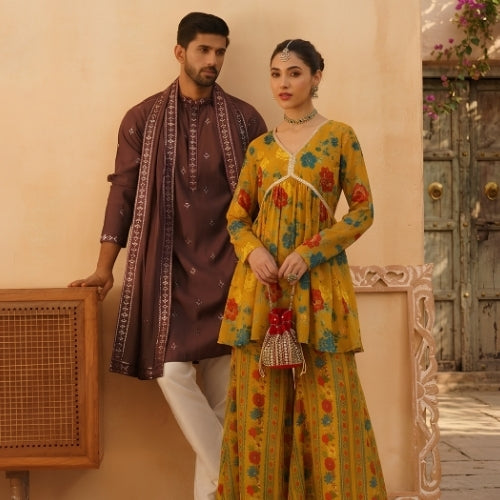
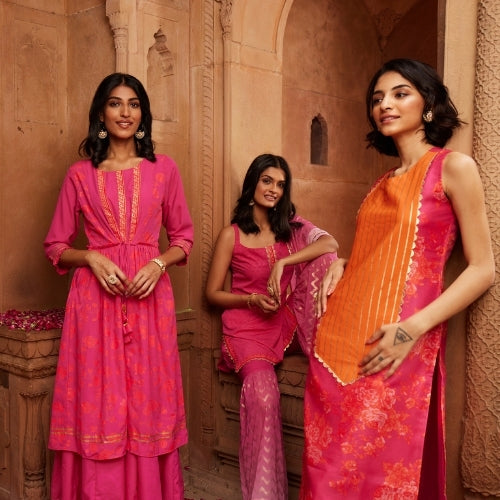
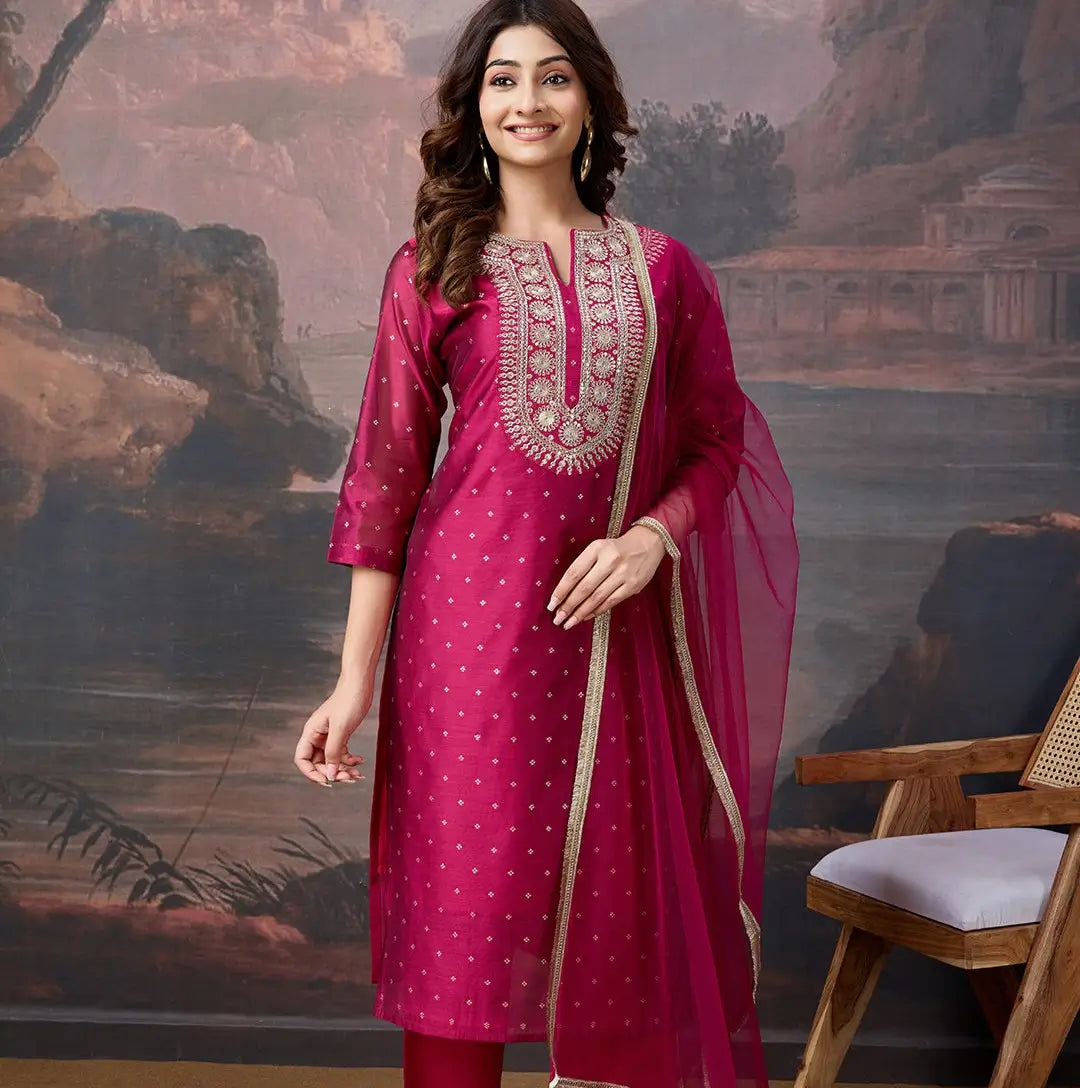
Wear the kurta to the meeting. Pair the handloom dupatta with your everyday outfit. Choose the block-printed cotton dress over the fast fashion alternative. Wear the embroidered jacket to the restaurant, to the cinema, to the airport. The validation was never the world's to give — but if you needed it, here it is.
Indian style has always been worth wearing. The rest of the world is simply catching up.
Start With What Feels Like You
Understanding where Indian style sits in the global fashion conversation is one thing. Knowing which part of that conversation resonates with you is another.
The Desiqlo Style Quiz helps you find exactly that — your personal style persona within the full spectrum of Indian and global fashion, with curated collections to match.
For the bigger picture on global fashion trends in 2026 and where Indian style fits within them, read: How the World is Dressing in 2026 →
And if you are still working out what your own personal style actually is — separate from trends, heritage, and everything else — start here: How to Find Your Personal Style Statement →