



















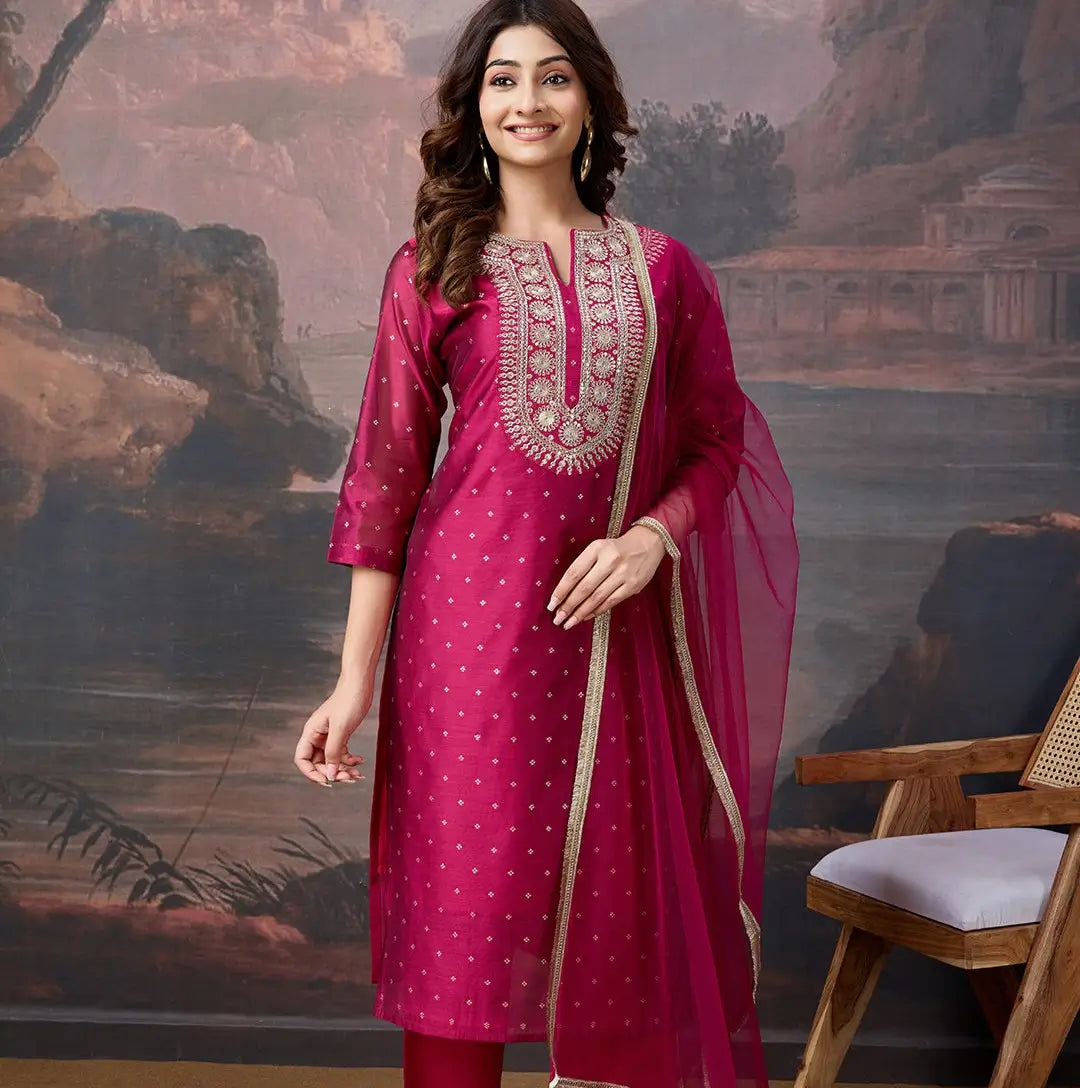


How to Find Your Personal Style Statement

There is a moment most of us have experienced at least once. You are standing in front of a full wardrobe and yet you feel like you have nothing to wear. Not because the clothes are wrong. But because none of them feel like you.
That feeling is a sign. It means your wardrobe and your identity have drifted apart — and it is time to find your personal style statement.
Why Personal Style Matters More Than You Think
Personal style is not about fashion. Fashion is what the runways tell you to wear. Style is what you choose to wear anyway.
Your personal style is a form of self-expression that exists before you say a single word. It is the first thing people notice when you walk into a room. Research consistently shows that what we wear affects not just how others perceive us, but how we feel about ourselves — our confidence, our mood, and our sense of identity.
In 2026, the conversation around personal style has shifted in a meaningful direction. The idea that there is one "right" way to dress — one aesthetic to follow, one silhouette to aspire to — is fading fast. In its place is something more honest: dressing with intention, dressing for yourself, and dressing in a way that reflects who you actually are rather than who the algorithm thinks you should be.
For those of us with roots in the Indian subcontinent — whether living in the USA, the UK, Canada, or anywhere else in the world — this shift feels particularly resonant. Because Indian style has always understood something that Western fashion is only just catching up to: that clothing carries culture, memory, and identity all at once.
The Diversity Problem in Fashion — And Why It Is Your Superpower
For decades, global fashion set a narrow standard. One body type. One skin tone. One aesthetic. One geography. If you were shopping for Indian ethnic wear online in the USA or looking for Indian dresses that reflected your heritage, you were often treated as a niche — an afterthought.
That is changing.
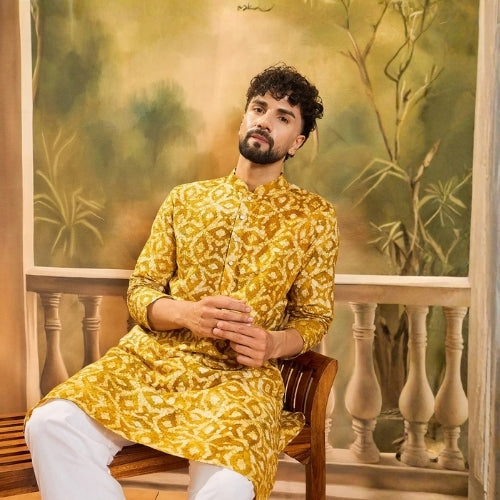
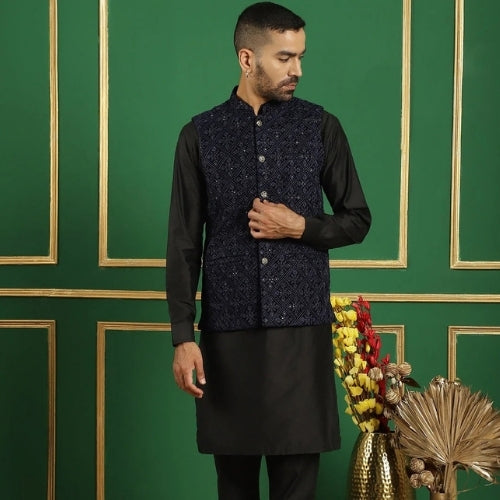
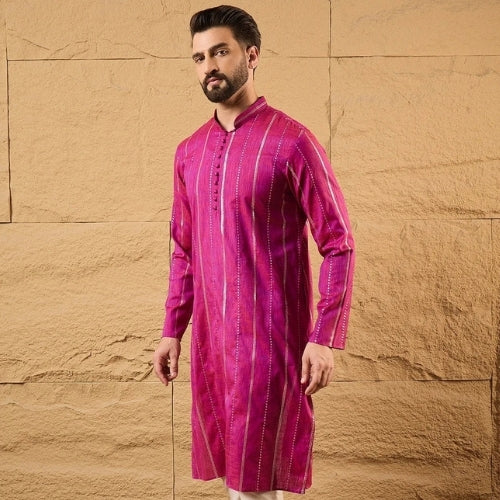
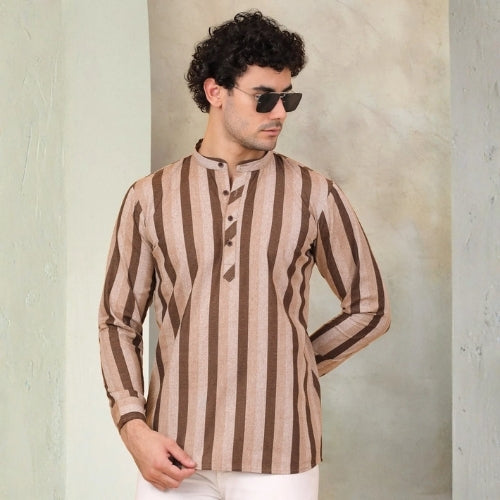
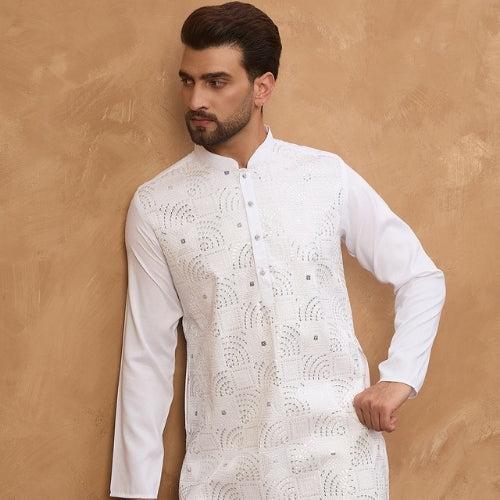
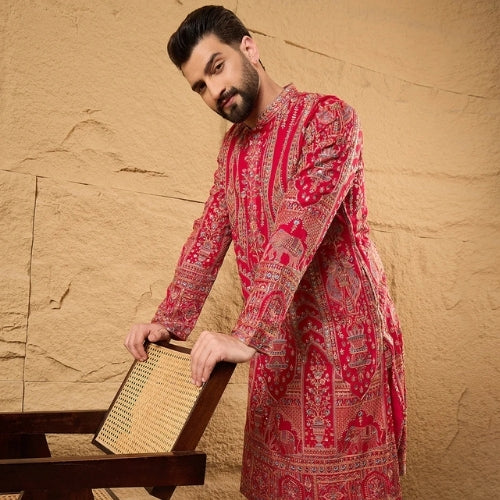
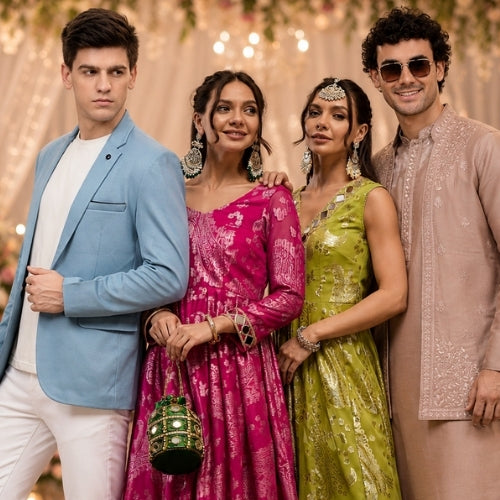
The truth is, diversity in style is not a trend. It is reality. The woman who wears a handloom kurta to her New York office on Monday and a silk co-ord to a rooftop dinner on Friday is not confused about her style. She is living it fully. The man who pairs a Nehru jacket with tailored trousers for a wedding and reaches for a relaxed linen kurta on a Sunday morning is not inconsistent. He is multidimensional.
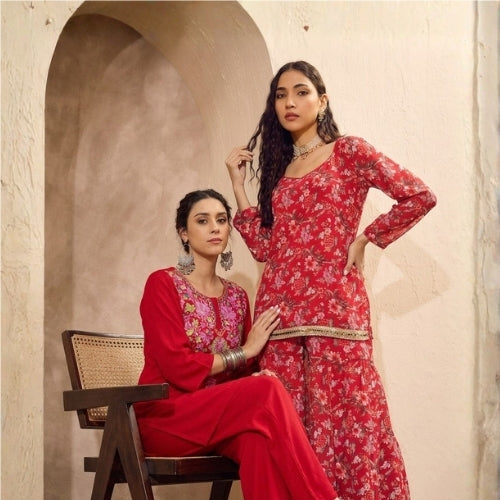
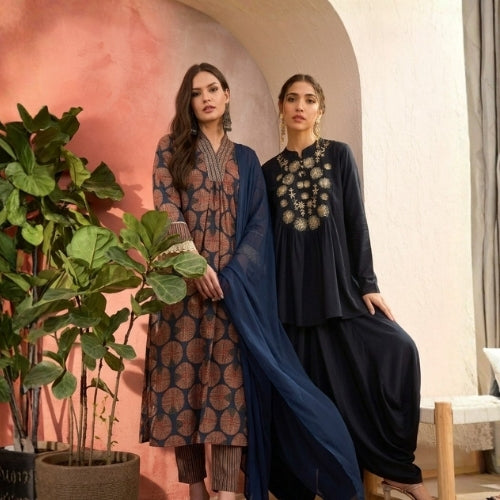
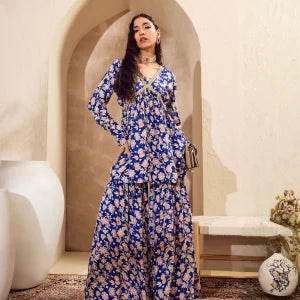
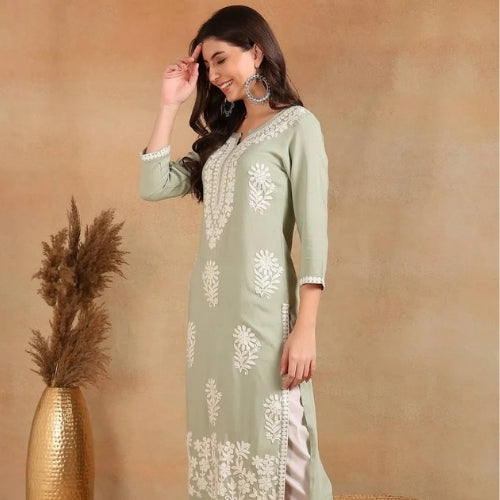
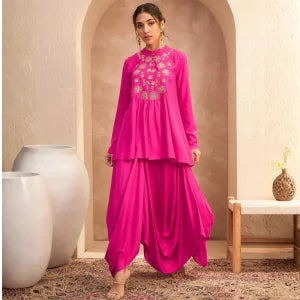
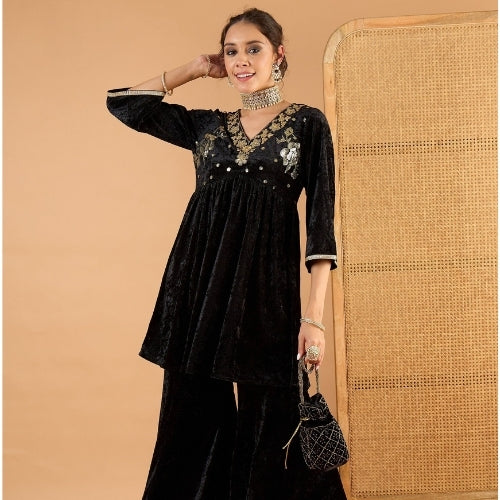
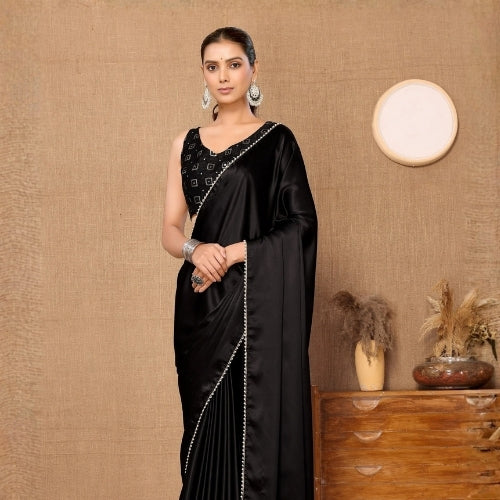
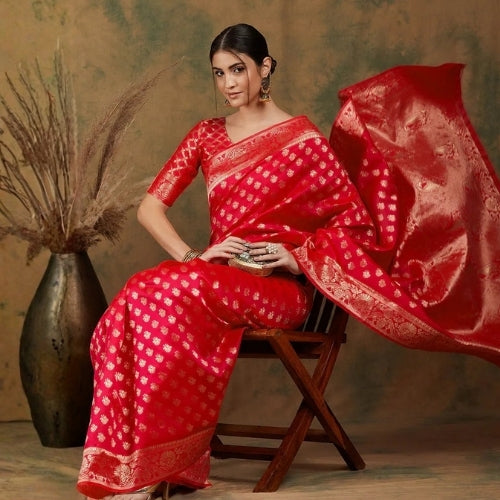
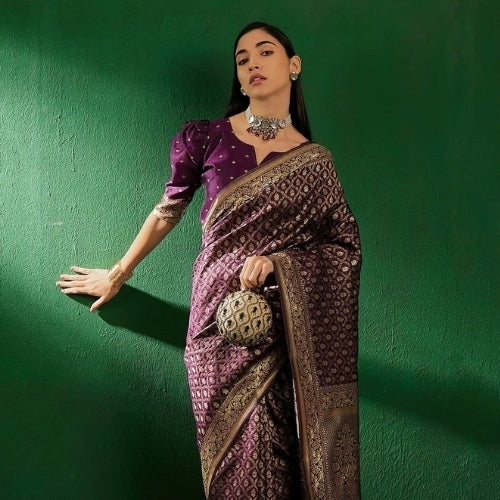
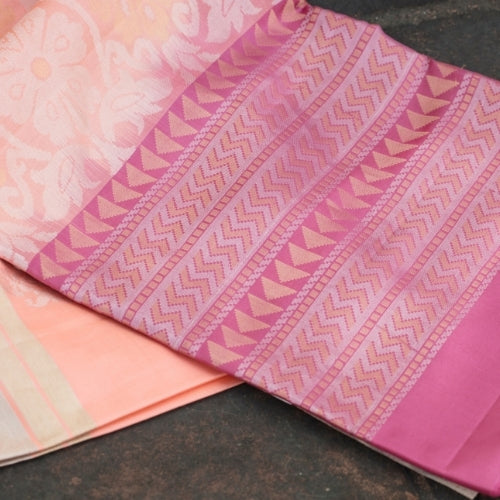
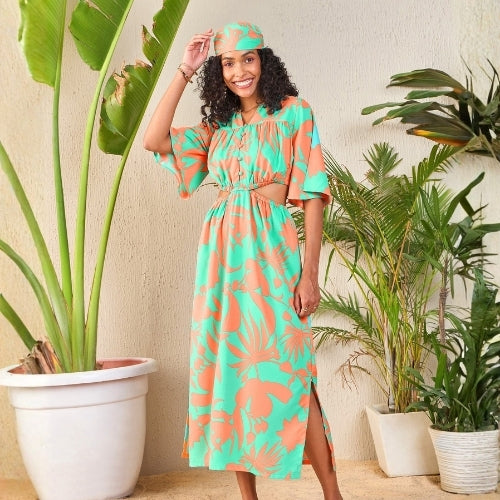
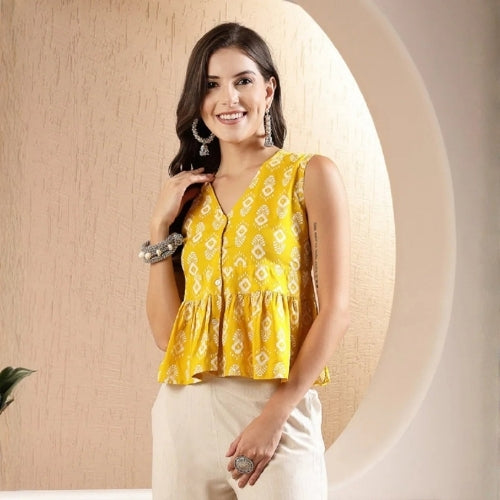
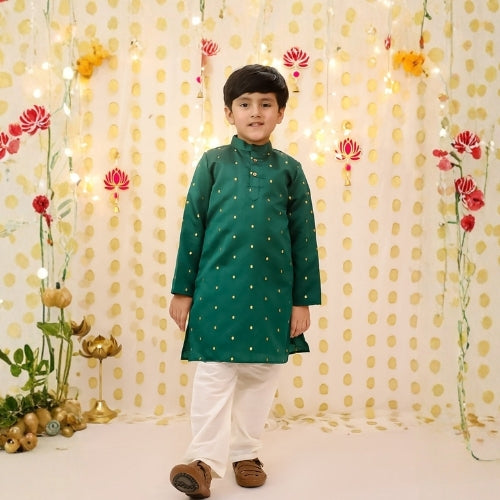
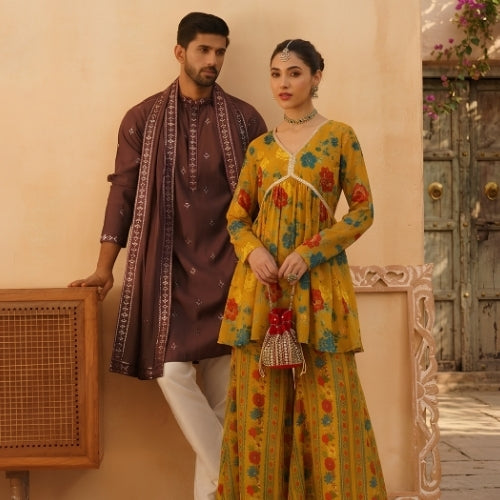
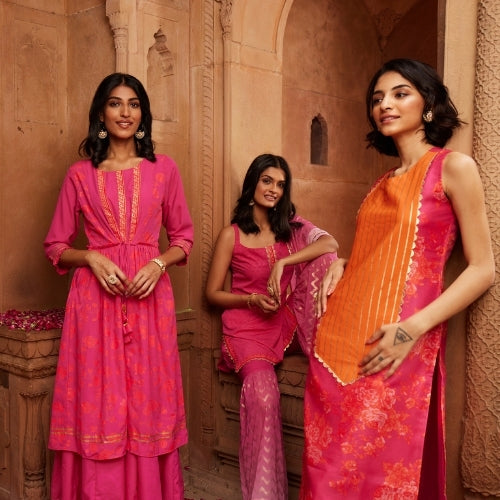
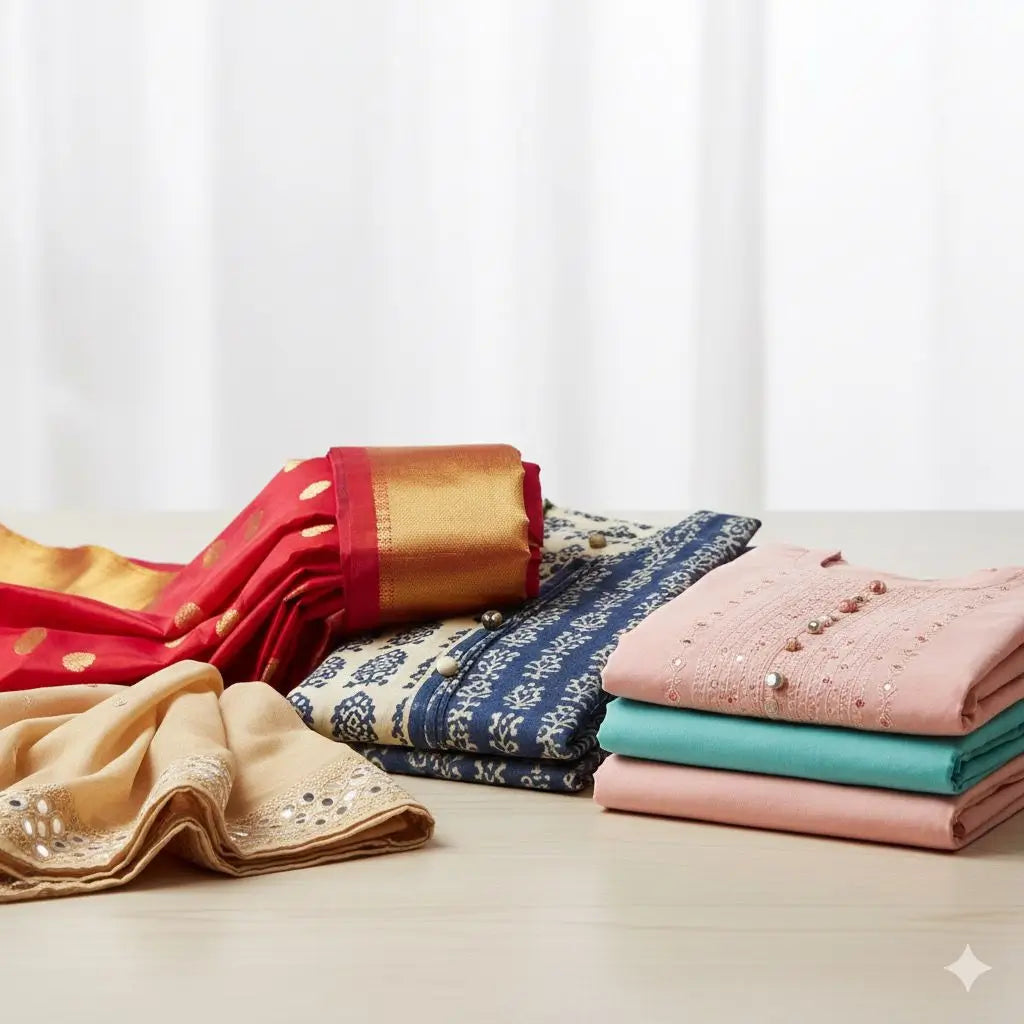
The richness of Indian clothing — from the intricate zari work of Banarasi weaves to the breezy comfort of cotton kurtis, from dramatic anarkali sets to sleek Indo-Western co-ords — exists precisely because Indian style has always celebrated diversity. Your heritage is not a limitation on your style. It is one of the most powerful raw materials you have.
The Biggest Mistake People Make With Personal Style
The biggest mistake is looking outward before looking inward.
We scroll through feeds and try on other people's aesthetics. We follow trends because a magazine declared them essential. We buy what influencers are wearing. And then we wonder why we feel disconnected from what we own.
Here is the truth about trends: they are designed for everyone, which means they are designed for no one in particular. The question to ask is never "is this trending?" but "does this feel like me?"
The most stylish people in any room share one thing: they dress for themselves. Not for the occasion's expectations. Not for the algorithm. For themselves.
Five Steps to Finding Your Personal Style
1. Look at what you already reach for. Open your wardrobe and notice what you actually wear versus what sits untouched. The pieces you keep returning to — regardless of occasion — are telling you something important. Your instincts are more reliable than any trend report.
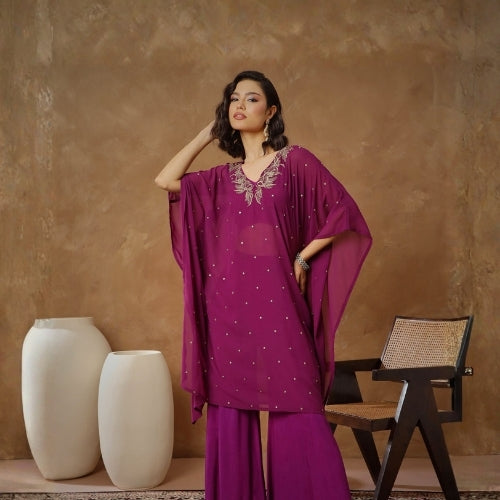
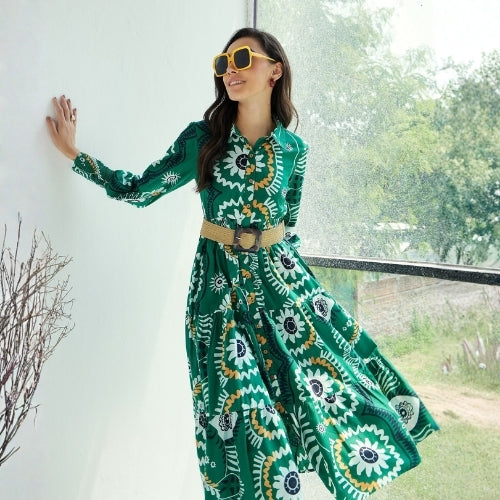
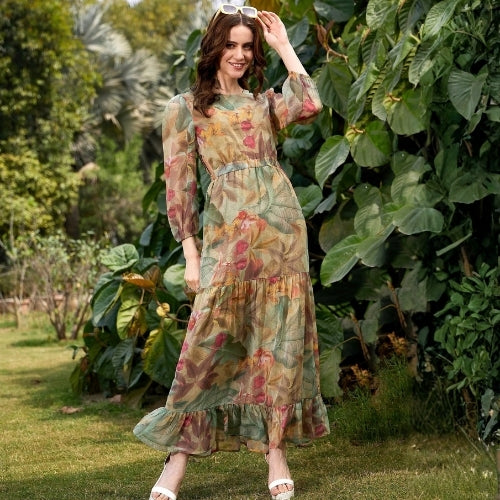
2. Think about how you want to feel, not how you want to look. Do you want to feel powerful? Soft? Grounded? Expressive? Free? That answer will lead you to a far more coherent wardrobe than any style rule ever will. For those shopping for Indian clothes online — whether kurtas for everyday wear, Indian dresses for weddings, or festive Indian ethnic wear for celebrations — starting with feeling rather than appearance will help you find pieces that genuinely resonate.
3. Understand that your style can be more than one thing. Personal style does not have to fit in a box. The most interesting wardrobes borrow from multiple worlds, mix references freely, and evolve over time. This is especially true for the global South Asian diaspora, where identity itself is layered. Your wardrobe can reflect all of that.
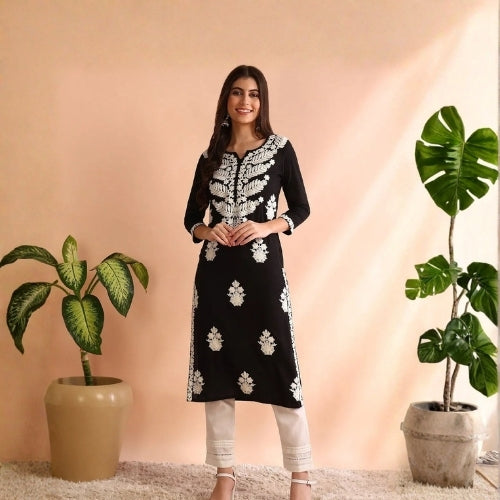
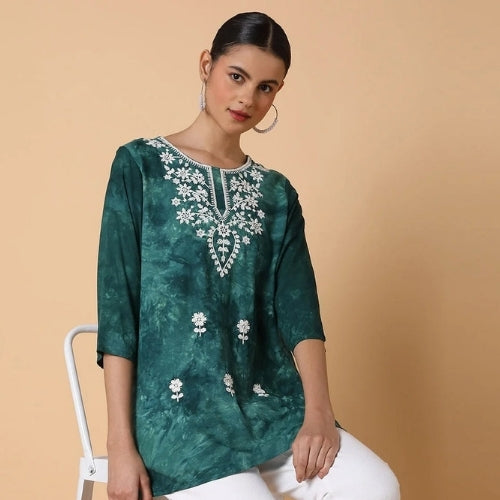
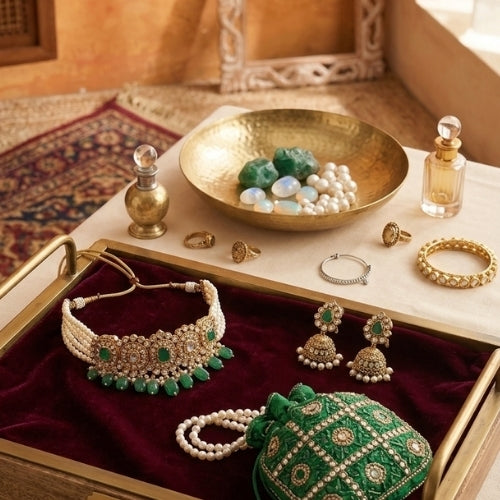
4. Invest in pieces that tell your story. Seek out Indian clothing online that reflects your values — whether that means supporting independent designers, choosing ethically made kurtas and kurtis, investing in handloom fabrics, or simply finding Indian dresses that make you feel like the best version of yourself. A small wardrobe of pieces you genuinely love will always outperform a large one full of things that almost feel right.
5. Stop asking for permission. Wear the saree to the work event. Pair the embroidered jacket with jeans. Mix the heritage print with a contemporary silhouette. The most powerful thing personal style can do is communicate — without apology — that you know who you are. Your style is your statement. Make it yours.
Where to Begin
If you are still figuring out what your personal aesthetic looks like, the Desiqlo Style Quiz is a good starting point. Ten questions about how you live, what you love, and what your instincts tell you — and it reveals your personal style persona with curated Indian clothing collections to match.
Discover your personal style statement →
And if you want to understand how your personal style sits within the larger global fashion conversation of 2026 — what the world is wearing, where Indian style fits in, and why now is the most interesting moment to dress with intention — read our companion piece: How the World is Dressing in 2026 →