















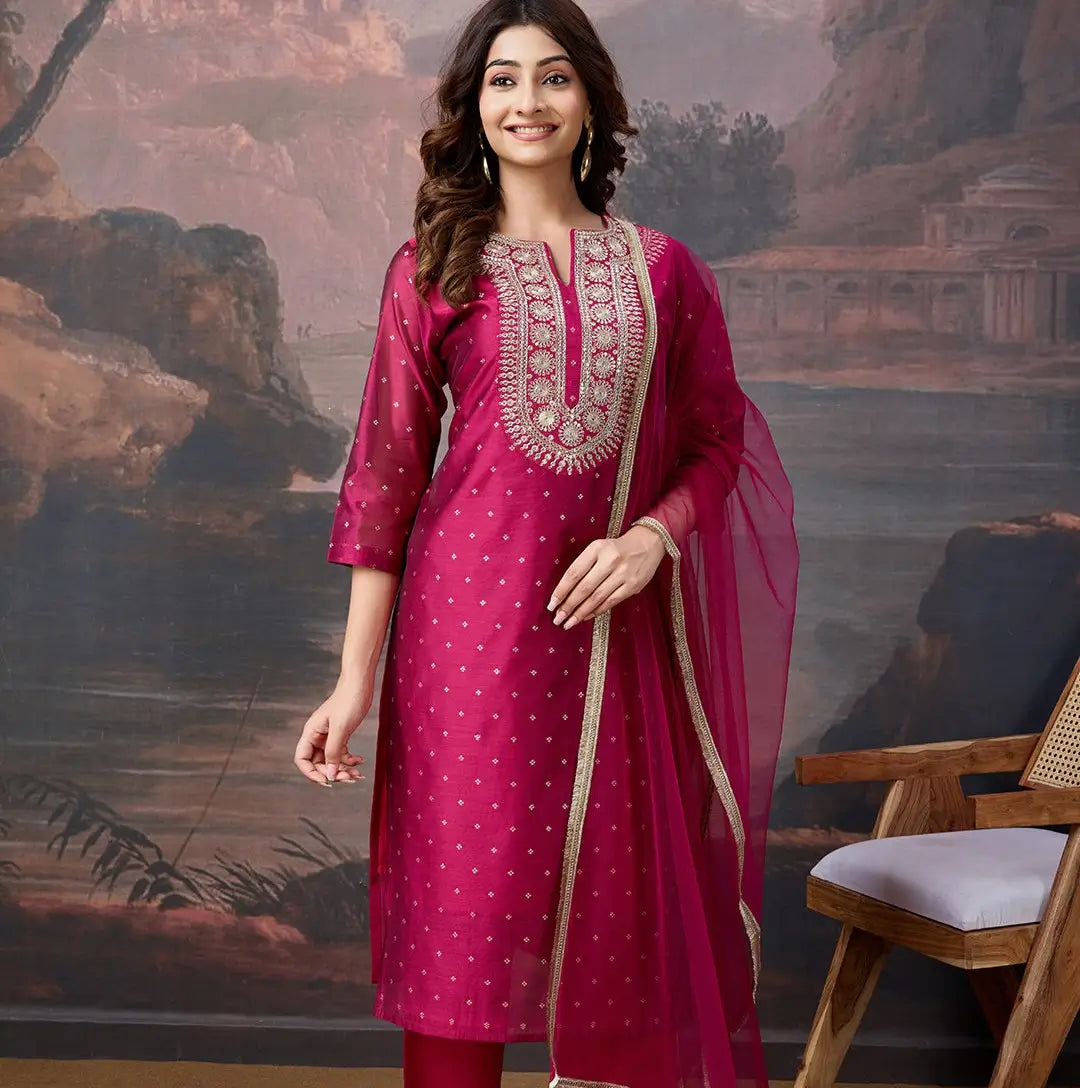


How the World is Dressing in 2026 — And Where Indian Style Fits In

Every year, the fashion industry publishes its trend reports. Every year, editors declare what is in and what is out. And every year, the most stylish people do something quietly radical: they take what resonates, leave what does not, and dress like themselves anyway.
2026 is a particularly interesting year to pay attention to those reports — not to follow them, but to understand the larger conversation global fashion is having. Because this year, that conversation is one that Indian style has always been part of. It just took the rest of the world a little longer to catch up.
Here are the Top 6 Fashion Trends of 2026 that you need to flaunt:
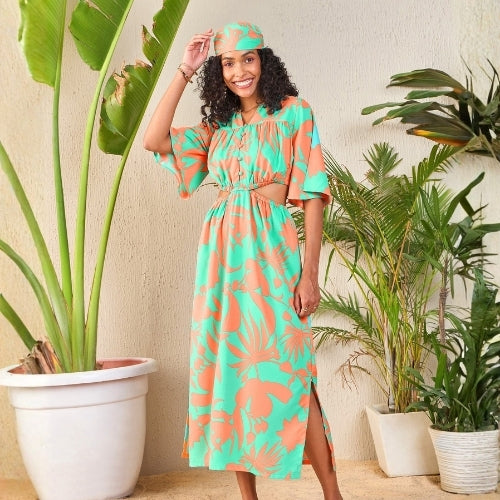
1. Boldness Is Back — And Indian Fashion Never Left
After years of quiet luxury — restrained palettes, minimal silhouettes, the art of saying nothing loudly — the momentum in 2026 is shifting. The pure quiet-luxury era is softening, moving toward something with more personality and fewer rules.
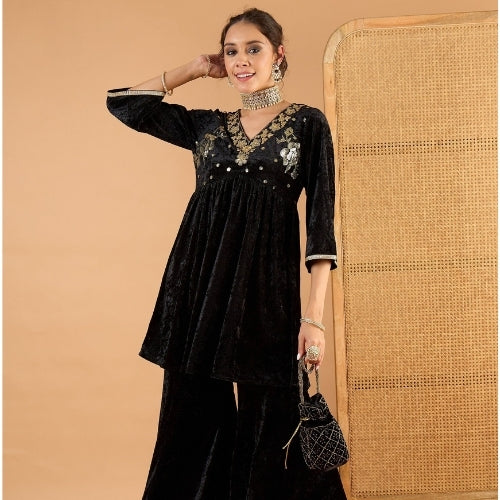
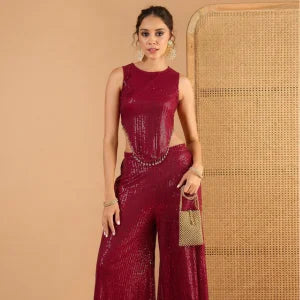
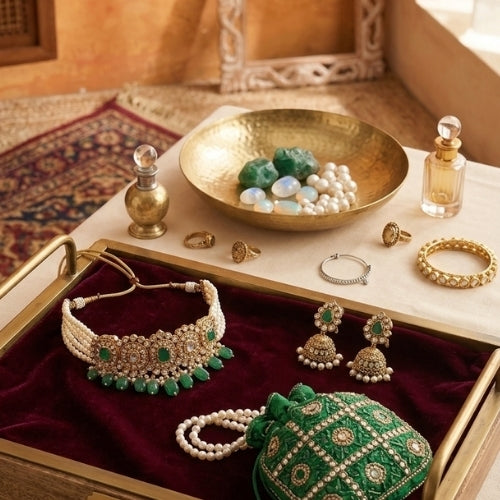
The Glamoratti aesthetic — a more-is-more attitude inspired by power dressing, dramatic silhouettes, and chunky gold accessories — is driving spikes in searches globally, resonating especially with Gen Z and Millennials who want fashion with a twist.
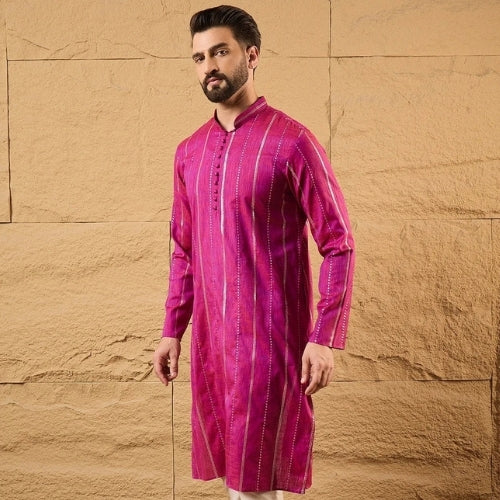
Translation: maximalism is not a moment. It is a movement. And Indian fashion has been living this movement for centuries.
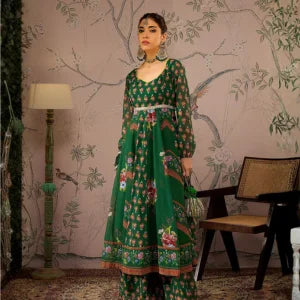
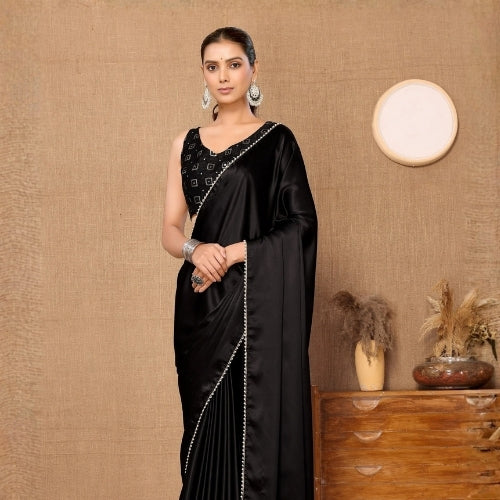
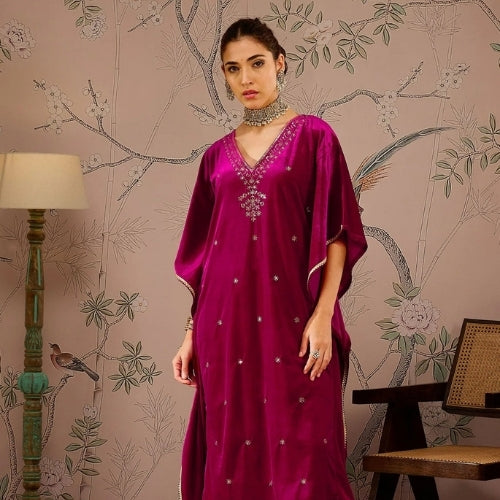
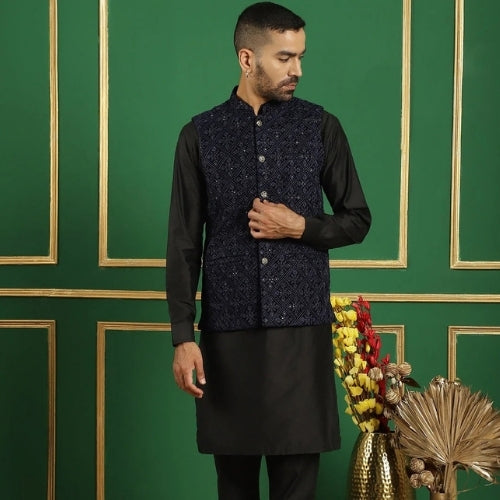
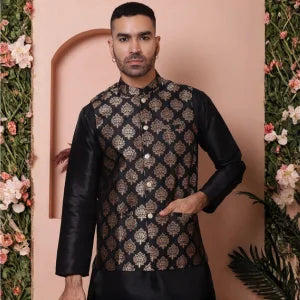
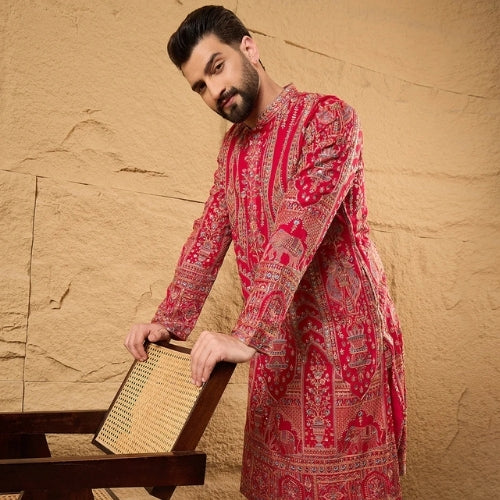
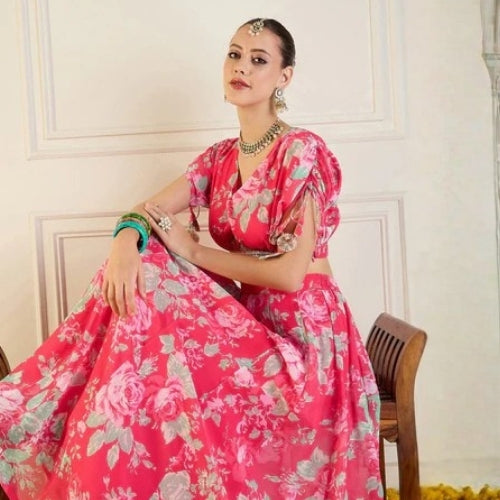
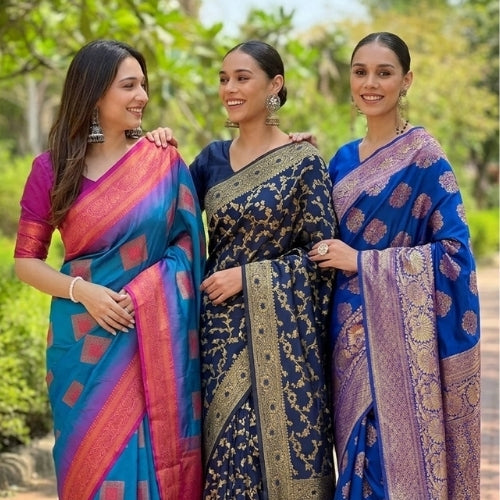
The layered jewellery, the bold prints, the richly embroidered fabrics, the celebration of colour and texture as a form of joy — none of this is new to Indian style. What is new is the rest of the world finally seeing it as the sophisticated, intentional aesthetic it has always been.
2. Texture Is the New Statement
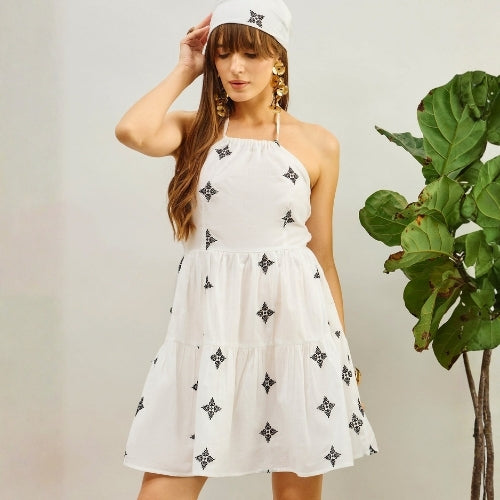
One of the most consistent signals from global runways in 2026 is the shift from colour-driven to texture-driven dressing. Bouclé, suede, rich wovens, and layered fabrics are defining the look. The direction is not to add more colour — it is to add more depth.
For anyone familiar with Indian textiles, this feels like a homecoming.
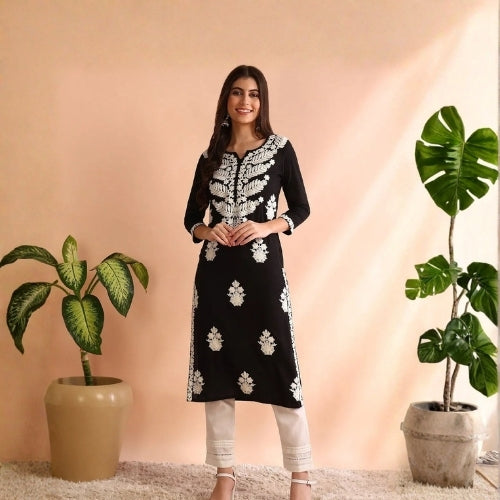
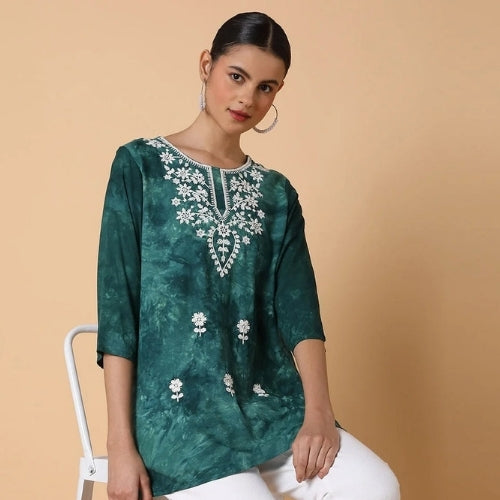
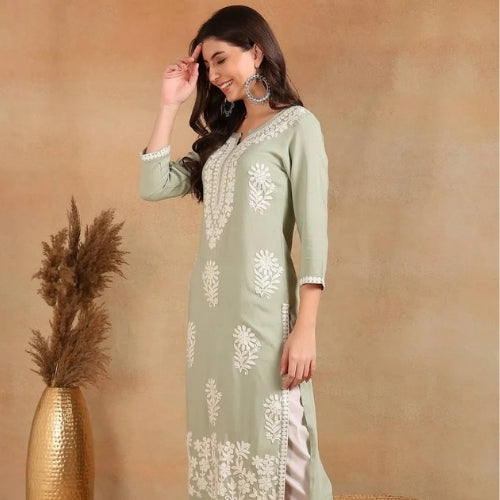
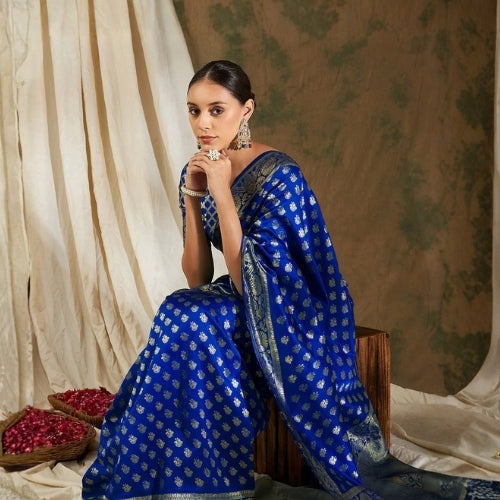
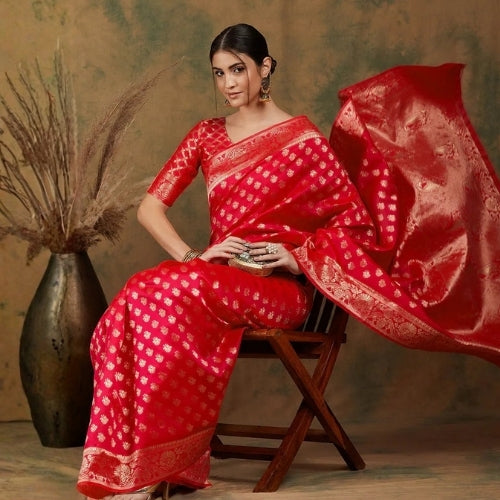
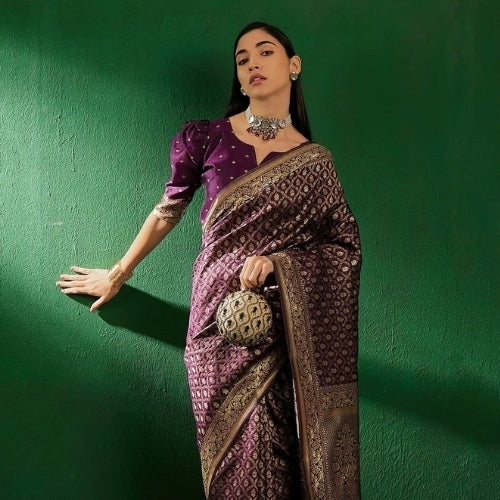
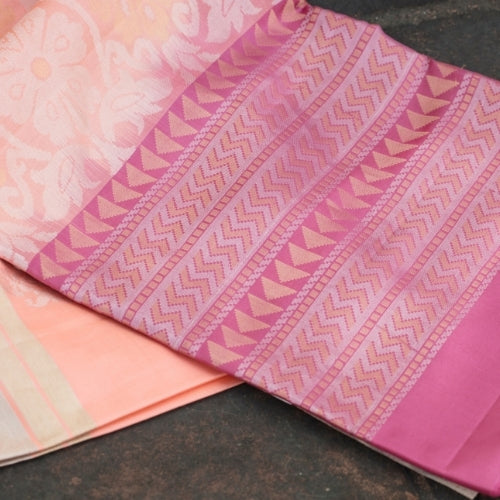
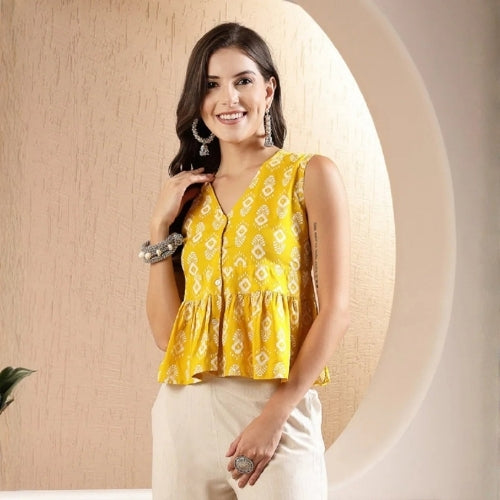
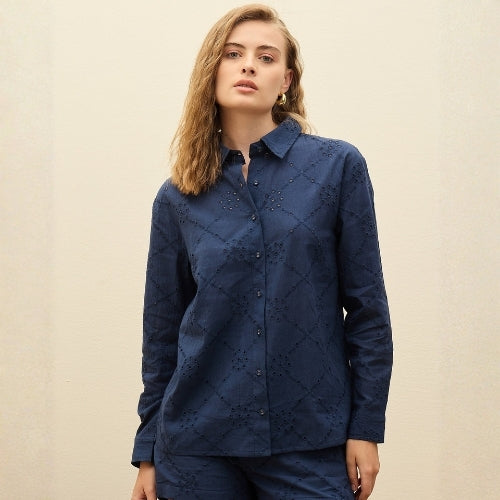
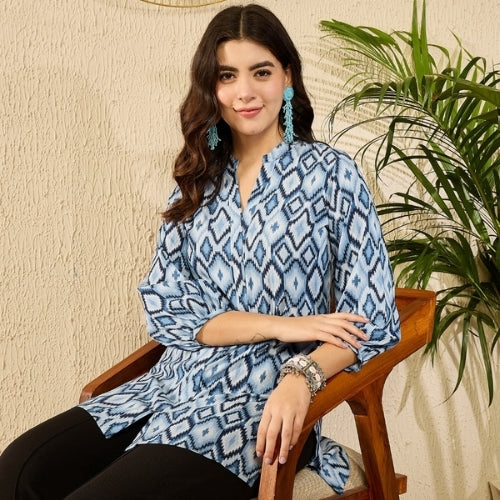
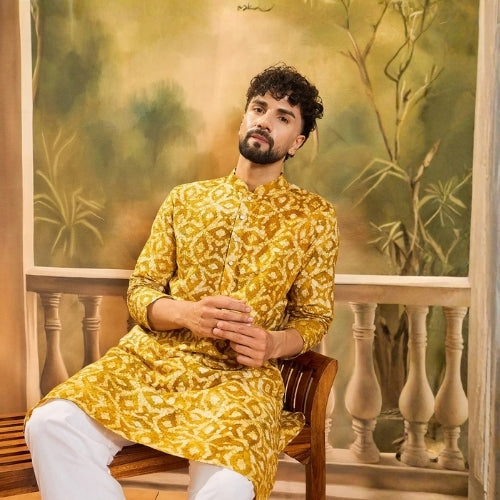
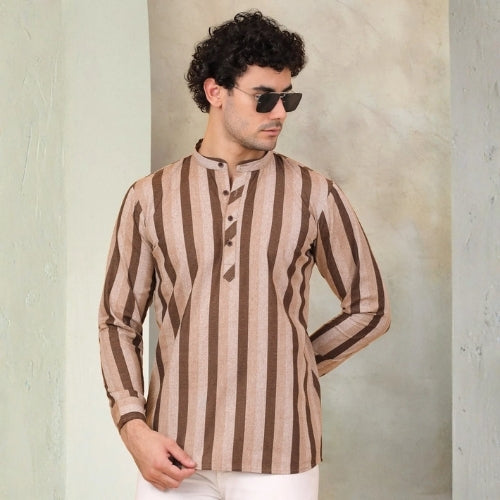
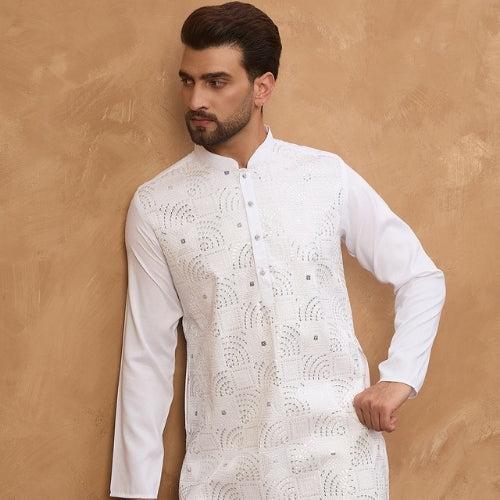
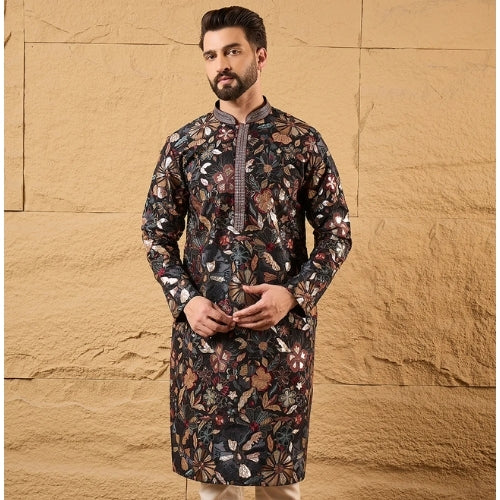
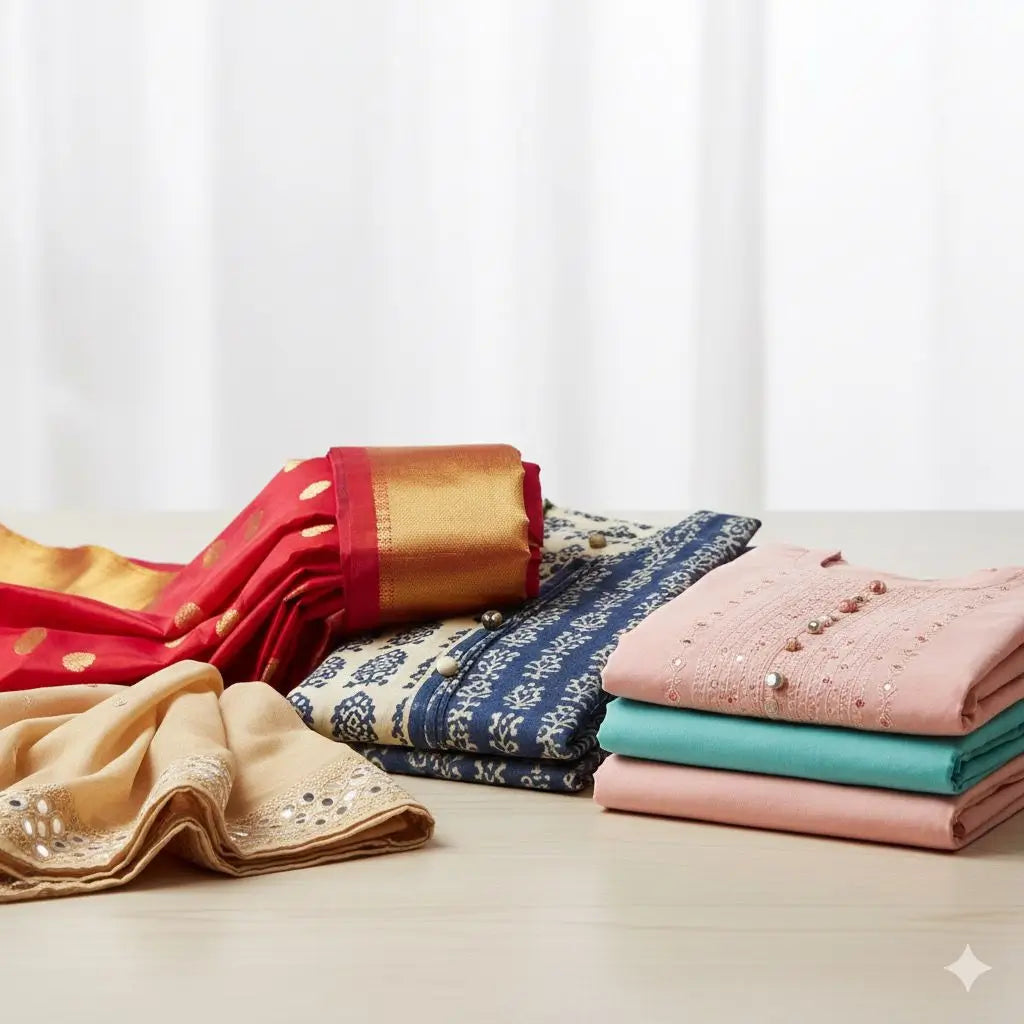
Handloom weaves. Chanderi silk. Block-printed cottons. Chikankari embroidery. Zari work. Bandhani. Ikat. Indian textile traditions are built entirely on the interplay of texture, surface, and craft. In 2026's texture-first world, these fabrics are not ethnic alternatives to mainstream fashion. They are mainstream fashion.
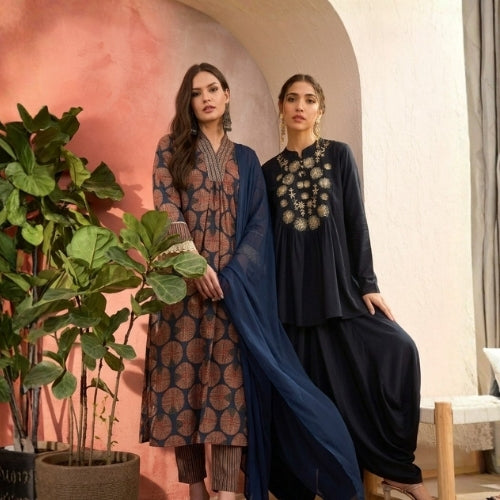
A handloom cotton kurta in a rich indigo weave is exactly the kind of considered, craft-forward piece that global fashion editors are reaching for right now. The language is the same. The origin is different. And the origin, increasingly, is the point.
3. Heritage Dressing: Wear Where You Come From
From Tokyo to Lagos to São Paulo, one of the most powerful style conversations of 2026 is about heritage — wearing where you come from with intention and pride.
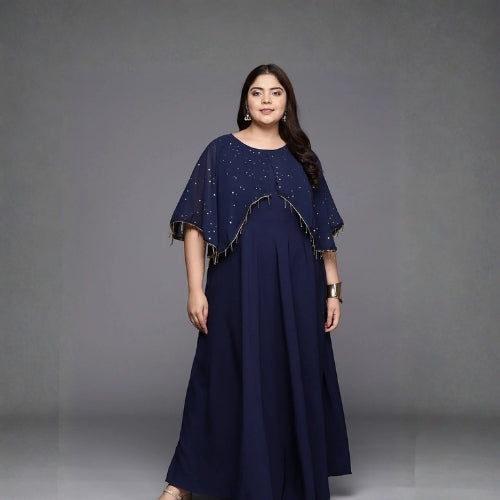
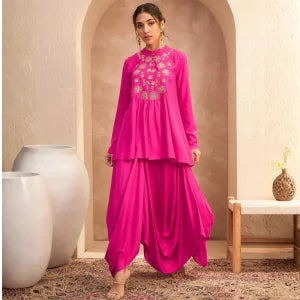
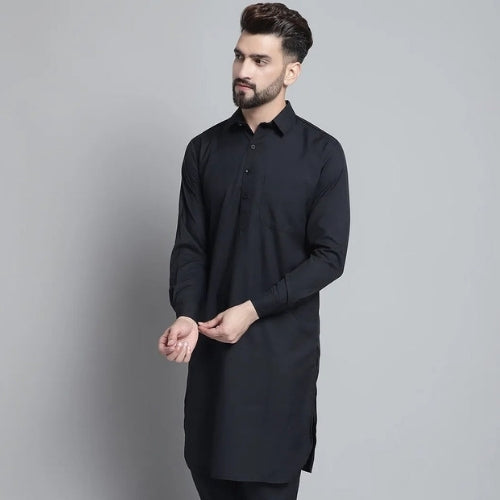
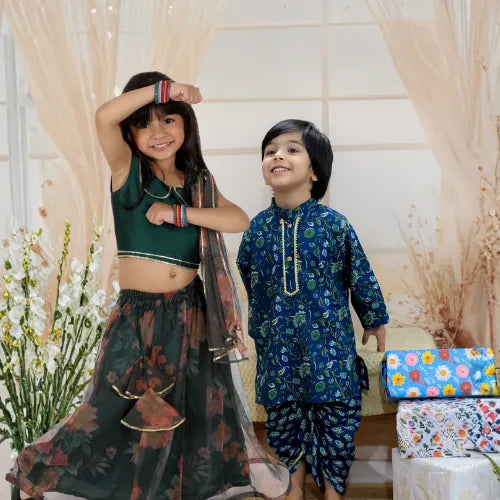
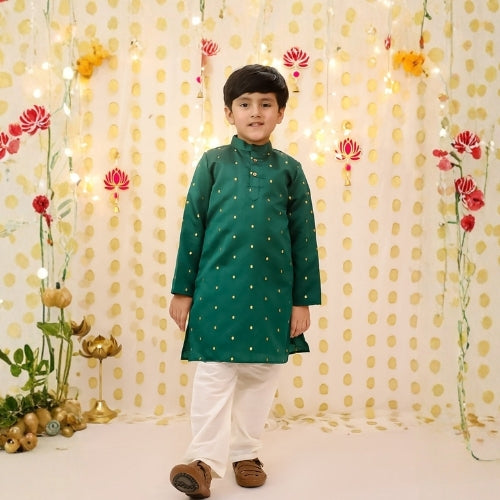
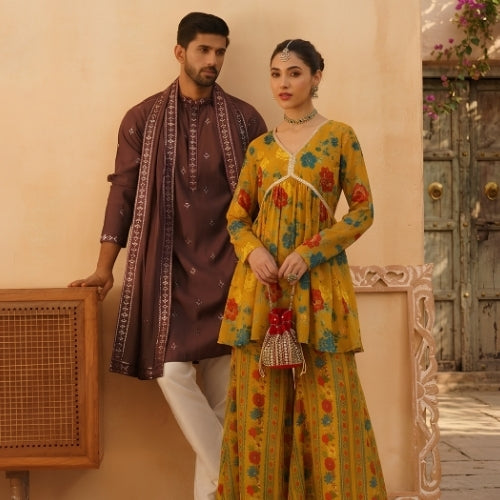
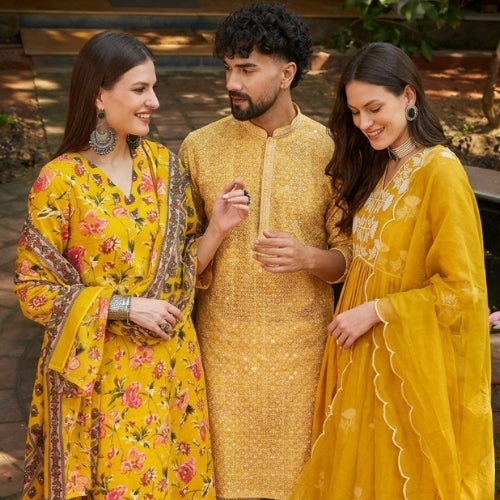
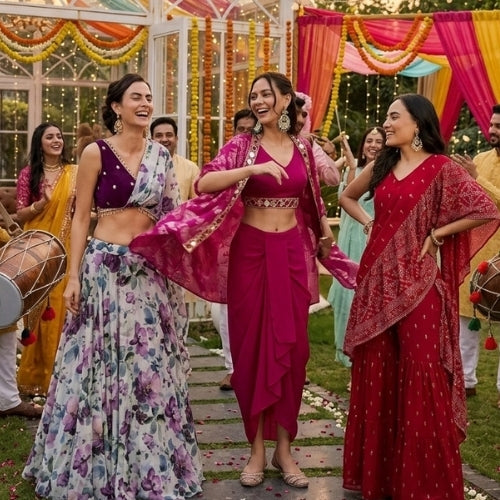
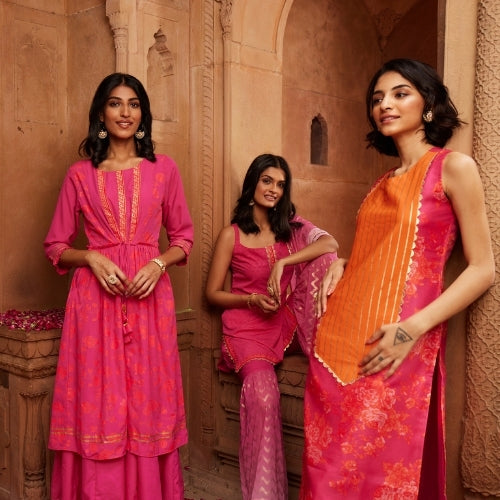
This does not mean dressing in costume. It means integrating the craftsmanship, silhouettes, and textiles of your culture into everyday life, on your own terms. The kurta, once considered occasion-specific in Western contexts, is now understood globally as the extraordinarily versatile garment it has always been. The anarkali silhouette speaks the same language as the statement dresses dominating international runways. The lehenga paired with contemporary separates is exactly the fusion dressing that global fashion week street style is celebrating.
And it is not just being celebrated — the world's biggest fashion houses have been drawing from Indian craft traditions for years, a story we explore in depth in our companion piece: Indian Style Is Having Its Global Moment →
Wearing your heritage is not a compromise between two worlds. It is one of the most sophisticated style moves of 2026.
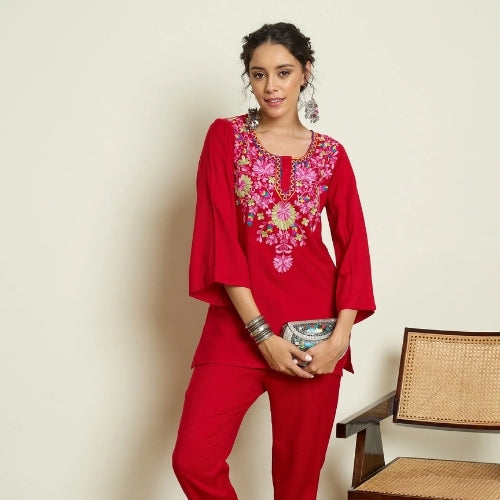
4. Co-ords Are Everywhere — Indian Fashion Has the Best Ones
Matching sets and co-ordinated looks are among the strongest trends across global markets in 2026. Shoppers are embracing head-to-toe looks that feel intentional and complete.
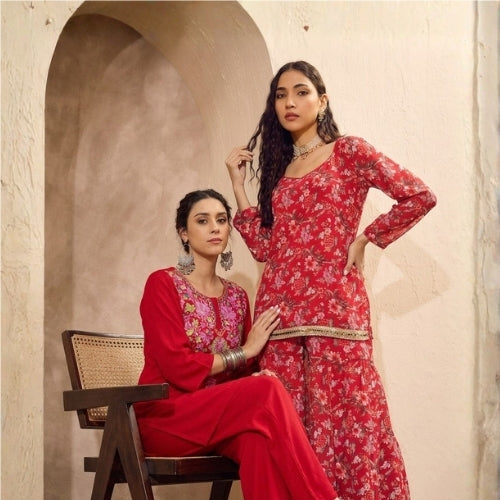
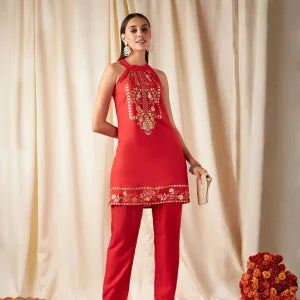
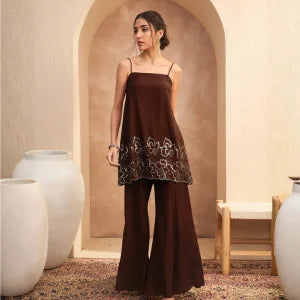
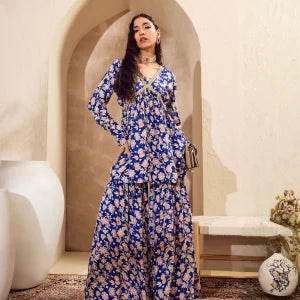
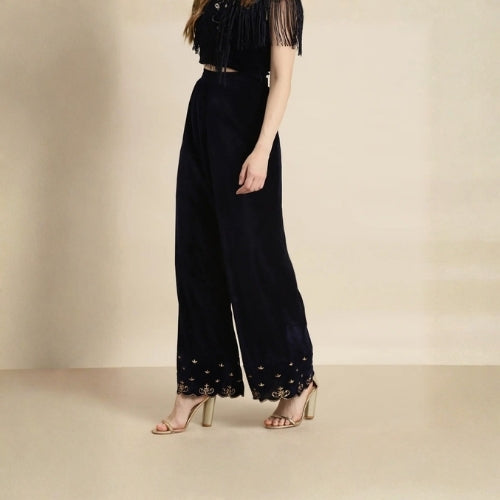
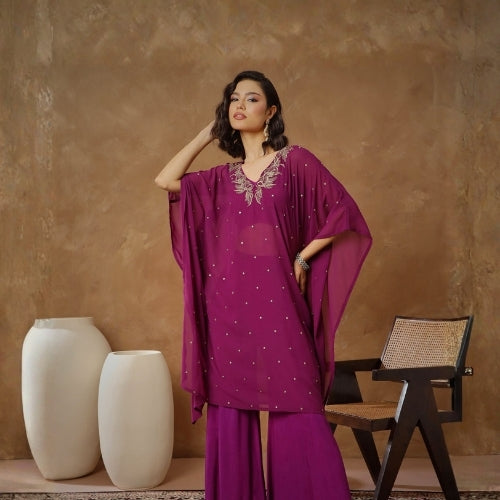
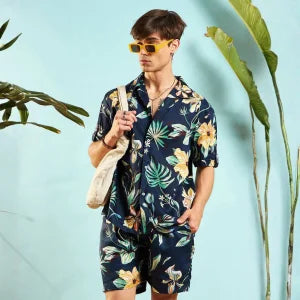
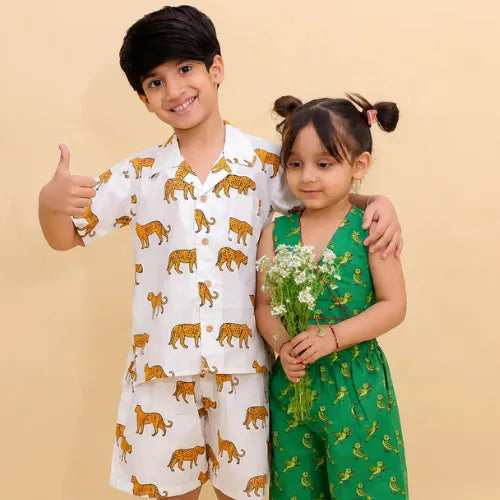
This is where Indian fashion has a distinct advantage. The Indian tradition of dressed sets — kurta pant sets, sharara sets, dhoti sets, silk co-ords — is a refined, culturally rich version of exactly what global fashion is racing to produce. The difference is craft and story.
A Western co-ord is typically defined by matching fabric and cut. An Indian set carries block print, handloom, embroidery, and regional craft traditions that give it layers of meaning no trend report can manufacture. If you are shopping for Indian co-ords online, you are not following a trend. You are ahead of one.

5. Conscious Fashion: From Trend to Expectation
Slow fashion — buying less, buying better, choosing pieces that last — is no longer a niche position. Consumers globally are rethinking their spending, seeking value, longevity, and intention over volume.
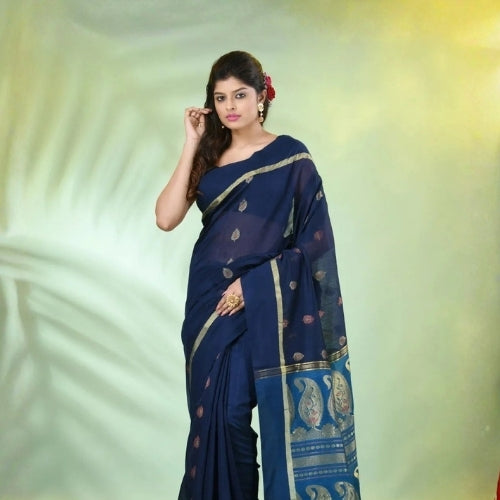
Indian cotton has a story to tell here. 100% cotton sarees, handloom kurtis, organic cotton kurtas — these are made using traditions that predate the concept of fast fashion by centuries. Natural dyes, hand-weaving, artisan production — these practices are the original slow fashion. They are also, increasingly, the future of it.
When you choose a handcrafted Indian dress over a fast fashion alternative, you are making a choice that aligns with where global fashion consciousness is heading — and supporting the artisans who keep these traditions alive.
6. Fusion: The Defining Aesthetic of the Decade
The most important style story of 2026 is not any single trend. It is the collapse of the idea that Eastern and Western, traditional and contemporary, formal and casual must be kept apart.
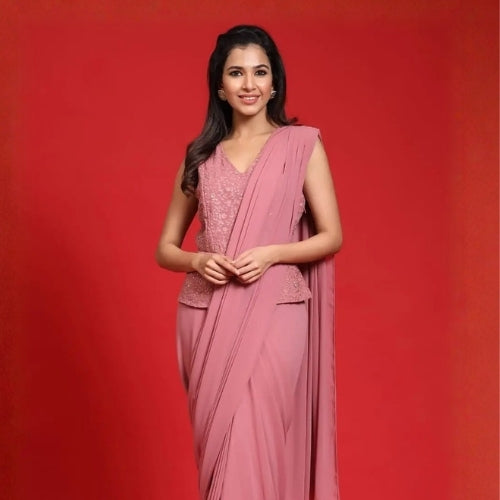
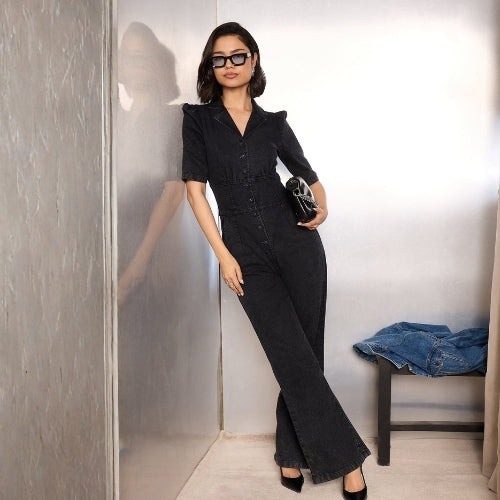
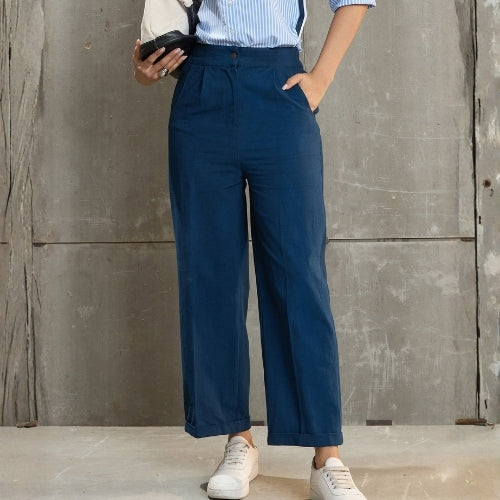
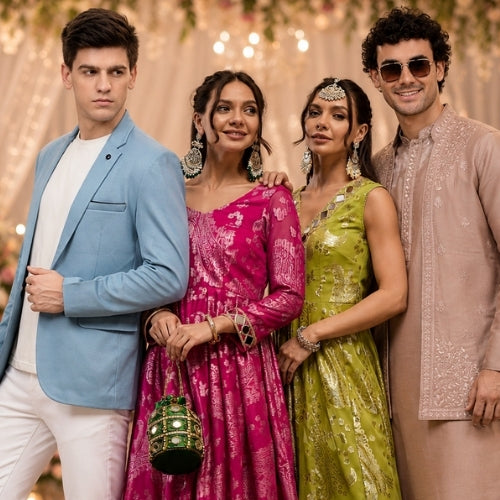
The most interesting dressing happening globally right now is hybrid. It pairs an embroidered jacket with straight-leg denim. It wears a silk kurta over tailored trousers. It combines a contemporary silhouette with a heritage textile. This is not confusion. This is fluency — and it is the natural way of dressing for anyone who has navigated more than one culture.
Indo-Western fashion is not a compromise. It is the most honest expression of how many of us actually live. And in 2026, that honesty is exactly what global fashion is calling for.
What This Means for How You Shop
If 2026's style conversation has one clear message, it is this: intention matters more than trend-following. Craft matters more than branding. Story matters more than label.
That is good news for anyone shopping for Indian clothing online. Because Indian fashion — from relaxed everyday kurtas to festive lehengas, from handloom cotton sarees to contemporary co-ord sets — is built on exactly those foundations.
Not sure where your own style sits within all of this? The Desiqlo Style Quiz takes ten minutes and reveals your personal style persona with curated Indian clothing collections to match.
For a deeper dive into why personal style matters and how to build a wardrobe that feels genuinely like you, read: How to Find Your Personal Style Statement →